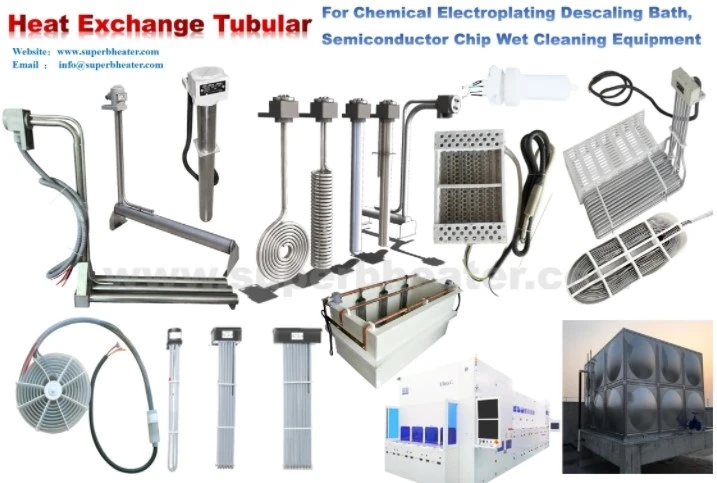
When a PTFE heating plate has reached the end of its useful life and is deemed beyond economic repair, the natural instinct is often to dispose of it. However, before sending the unit to the scrap pile, it's worth considering whether some of its parts can still be salvaged and repurposed for use in other working units. A heater that has outlived its utility can still yield valuable spare components like wiring, sensors, terminal blocks, and mounting hardware. What is the safest and most effective way to disassemble a dead PTFE heating plate to recover these parts?
Safety First: Preparation and Precautions
The first step in salvaging parts from a dead PTFE heater is to ensure that the unit is completely disconnected from its power source. This includes removing the power cord and ensuring that no residual electrical energy is present. Even if the unit is not powered, it's important to check that all connections are fully isolated and that no active components remain energized.
Safety procedures should include the use of protective gloves to prevent cuts from sharp edges on the casing or internal components. Additionally, depending on the nature of the equipment's previous use, there may be traces of hazardous chemicals or substances that require careful handling. If the unit was exposed to chemical agents, take necessary precautions such as wearing proper personal protective equipment (PPE), using fume hoods, or following relevant chemical decontamination protocols.
Once safety measures are in place, proceed to disassemble the unit methodically to avoid damaging usable components.
Disassembly and Commonly Salvageable Parts
A well-planned disassembly process is key to recovering functional parts from a heater that is beyond repair. Below are some commonly salvageable components that can often be reused or repurposed:
High-Temperature Wiring and Cables:
High-quality, high-temperature-rated wiring is often one of the most valuable components in a PTFE heating plate. These cables are designed to withstand intense heat and can be reused in other units or applications where similar wiring is needed. Before salvaging the wiring, check for any signs of wear or fraying. Use a continuity check to ensure the wires are still intact and capable of carrying current without risk of failure.
Stainless Steel Fasteners and Brackets:
Stainless steel screws, nuts, bolts, and brackets are typically found in heating plate assemblies and are often reusable. These components are resistant to corrosion and are essential for securing parts in place. Depending on their condition, these parts can be cleaned and used in future repairs or equipment setups. Keep in mind that hardware should be inspected for rust, corrosion, or thread damage.
Ceramic Terminal Blocks and Strain Relief Glands:
The junction box of a PTFE heating plate typically houses ceramic terminal blocks and strain relief glands. These items are often in excellent condition and can be reused for future installations. Ceramic blocks are particularly valuable because they are designed to handle high temperatures, and their insulating properties are vital for electrical safety. The strain relief glands help to secure cables, preventing damage to wiring during operation.
Temperature Sensors:
If the heater's issue is related to the control system or the heater itself, the temperature sensor may still be operational. These sensors can be harvested and tested (e.g., through continuity checks or resistance tests) to determine their functionality. Sensors that are in good working condition can be a valuable spare for other heaters, as long as they match the specifications for the system in question.
External Power Cord (If Undamaged):
If the power cord is in good condition and has not been damaged, it can be salvaged for future use. The cord should be checked for any signs of wear or fraying at the connections, as damaged cables can be a serious safety hazard. If the cord passes inspection, it can be stored as a replacement part for future repairs.
Controllers (If Failure Was Elsewhere):
In some cases, the issue with the heater may be unrelated to the control system. If the controller or temperature regulator is still functional, it can be salvaged and reused in another unit. However, controllers should be thoroughly tested to ensure they are operational, as even minor faults can compromise the system's performance.
Cleaning and Testing Salvaged Parts
After disassembling the unit, it's important to clean each component thoroughly to ensure it is free from dirt, corrosion, or other contaminants that may affect its performance. For example, terminal blocks and wiring should be wiped down with a non-corrosive cleaner, while any metal parts should be inspected for rust or signs of wear.
Once cleaned, each part should undergo testing to confirm its functionality. A simple continuity test can check the integrity of wiring and sensors, while a visual inspection of components like brackets and fasteners can confirm their suitability for reuse. Additionally, ensure that each part is labeled with the original heater's identification to maintain an organized inventory system.
Important Precautions
When salvaging parts, always keep in mind that not every component is worth recovering. Parts that show clear signs of internal damage, excessive wear, or corrosion should be discarded, as they could compromise safety or performance when reused. It's crucial to only salvage components that are functional and compatible with other equipment in service.
Additionally, it's a good practice to check internal policies regarding the disposal and salvage of equipment. Some organizations may have specific guidelines for handling and repurposing equipment, and it's important to follow these procedures to ensure compliance with safety regulations.
Thoughtful and strategic salvaging of parts from beyond-repair PTFE heating plates is a sustainable practice that can help reduce waste, recover valuable resources, and build an in-house inventory of spare parts. By carefully disassembling, cleaning, testing, and labeling components, facilities can ensure they have high-quality replacements on hand for future repairs. This practice not only supports a circular economy but also helps to extend the operational life of equipment in service, ultimately saving costs and improving reliability.
By incorporating salvage practices into regular maintenance procedures, facilities can maximize the value of their equipment and contribute to sustainable resource management.