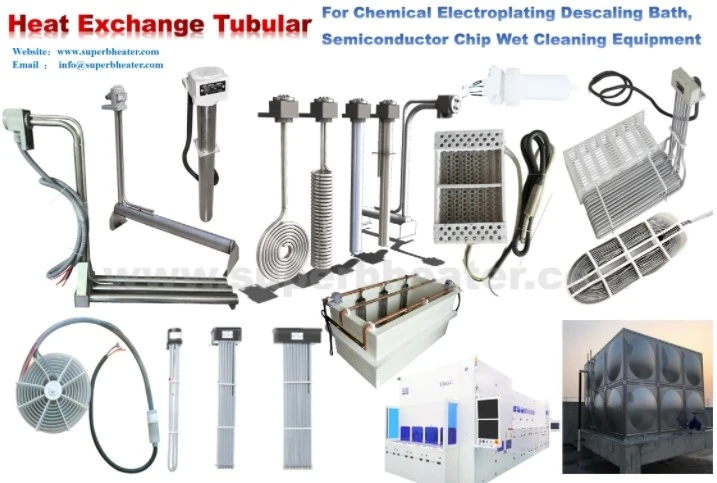
Over time, industrial equipment can show signs of wear, and with a PTFE hot plate, a gradual slowdown in heating performance is a common but often overlooked issue. The heater still works-it's not completely dead-but it no longer delivers the same fast, efficient heat-up times or struggles to reach the target temperature. This creeping decline can be frustrating because it doesn't immediately trigger an alarm, but it can significantly affect productivity and workflow. What causes this slow degradation in heating power, and is there anything that can be done to restore it?
The difference between gradual performance decline and a sudden failure is critical to understand. While a full failure is often marked by complete loss of function, a decline in heating efficiency usually manifests as slower heat-up times, difficulty maintaining high temperatures, or noticeable inconsistency in performance. Several factors contribute to this gradual decline, some of which can be addressed through simple maintenance, while others may point to more significant wear that requires part replacement.
Common Causes of Slower Heating Performance
Increased Thermal Resistance:
Over time, the surface of the PTFE heating plate or the bottom of the vessel being heated may accumulate scale, residue, or contaminants. This buildup acts as an insulator, reducing the heat transfer efficiency and slowing the heating process. The PTFE material itself is non-stick, but it can still retain dust, oils, or chemical residues that hinder its thermal efficiency.
Degraded Electrical Connections:
Another common culprit for slower performance is degraded or loose electrical connections. If the terminals, wires, or connectors that supply power to the heater become corroded or loose, it can increase the electrical resistance. This resistance reduces the effective power reaching the heating element, causing it to heat more slowly. Over time, even a small amount of corrosion or loosening can significantly affect performance.
Aging Heating Element:
The heating element inside the PTFE hot plate can also degrade over an extended period. While it may not fail entirely, over extreme lifetimes, heating elements can lose some of their efficiency. This is especially true if the heater has been subject to frequent high-temperature cycling or if it has been in service for many years. While not as common as other issues, an aging element may take longer to reach the desired temperature or might struggle to maintain consistent heat.
Voltage Supply Issues:
An often-overlooked cause of slower heating is a drop in the incoming voltage supply. If the voltage feeding into the heater is lower than it should be, the heater will not receive the necessary power to perform efficiently. This issue is commonly due to an undersized circuit or issues within the facility's electrical wiring. Voltage fluctuations can affect the performance of the heater and lead to longer heat-up times.
Diagnostic Flow: Steps to Identify and Address the Issue
A structured diagnostic approach can help identify the root cause of the performance degradation and determine the best course of action.
Clean the Heater and Surface Contact Areas:
Start by checking the heating plate and any vessel contact surfaces for residue, scale, or debris. Even a thin layer of material can create significant thermal resistance. Use appropriate non-abrasive cleaners to remove any buildup and restore smooth contact between the heating element and the vessel. A thorough cleaning often solves the problem if thermal resistance from residue is the issue.
Inspect and Tighten Electrical Connections:
Next, check the heater's electrical connections, particularly at the terminals where the power wires connect to the heating element. Over time, connections can loosen, and terminals can corrode. Make sure all connections are clean, corrosion-free, and tight. If there is any sign of damage, replacing the connectors or wires might be necessary. Ensuring a secure electrical connection restores full power flow to the element and can improve heating speed.
Measure Voltage at the Heater Terminals:
If the heater still seems slow to heat up after cleaning and tightening connections, the next step is to check the voltage supply. Measure the voltage at the heater's terminals while the unit is under load (i.e., when the heater is powered on and in use). If the voltage is lower than expected, this could indicate issues with the electrical circuit or power supply. A voltage drop may point to an undersized circuit, aging wiring, or a faulty breaker. Addressing the electrical supply issue, either by upgrading the wiring or fixing the circuit, could resolve the performance issue.
Restorative Actions: Can the Issue Be Fixed?
In many cases, restoring a heater to its previous performance level is possible through focused maintenance and cleaning. The most common fixes-cleaning the PTFE surface, inspecting electrical connections, and measuring voltage supply-address the most common causes of gradual performance loss. These steps are simple, low-cost solutions that can restore most of the lost efficiency and extend the life of the heater.
However, if these steps do not lead to a noticeable improvement, it may indicate that the heating element itself is nearing the end of its operational life. Elements that have degraded over time may need to be replaced. Similarly, if the heater's wiring or control systems show signs of persistent failure, it may be more cost-effective to replace the unit rather than attempt further repairs.
Slow degradation in heater performance is a frustrating but often reversible issue. With a methodical diagnostic approach, addressing common issues like thermal resistance, degraded electrical connections, or voltage supply problems can breathe new life into an aging unit. If the steps above do not solve the issue, it may be time to consider replacing the element or other components. For many units, however, a focused maintenance approach can restore performance, improving heat-up times and efficiency without the need for costly replacements. By identifying the root cause early and addressing it proactively, facilities can maximize the lifespan of their heating equipment, keeping downtime to a minimum and maintaining productivity.