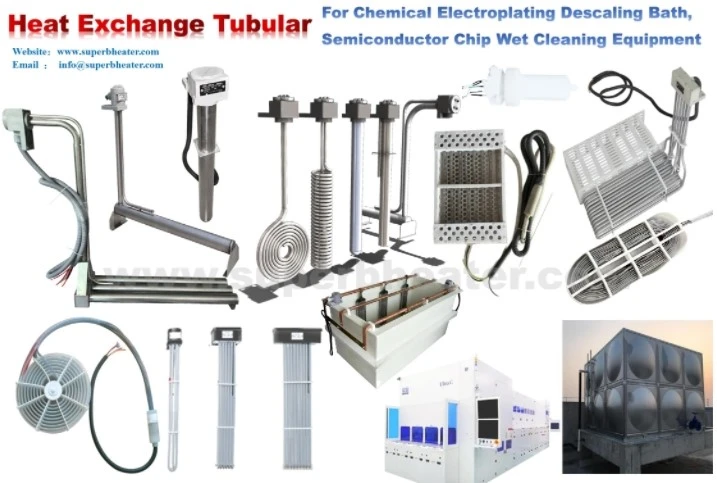
The lifespan of a PTFE heating plate is often viewed in isolation, with the assumption that the heater's durability solely depends on the quality of its components. However, the reality is more complex. The way a heater is controlled can significantly impact its operational longevity. For example, basic on/off cycling, a common control method, creates thermal stress through rapid temperature fluctuations. So, how can optimizing ancillary equipment-such as controllers, regulators, and cooling systems-contribute to extending the life of a PTFE heating plate?
The Impact of Basic Control Methods on Heater Lifespan
Many industrial heating processes still rely on simple thermostats or basic on/off controls, which lead to frequent temperature cycling. When a heater rapidly heats up and cools down, it causes the PTFE material to expand and contract. This repeated thermal stress weakens the structure over time, leading to potential cracking, warping, or accelerated wear of the heating element and internal components.
Furthermore, these basic control methods often cause electrical stress due to power surges when the heating element is switched on or off. Such surges can degrade the integrity of electrical components and lead to more frequent failures or malfunctions.
Thus, while a heater itself may be robust, the way it's controlled plays a significant role in its overall performance and longevity. Optimizing the control system and adding auxiliary equipment can reduce stress on the heater, leading to smoother operation and prolonged service life.
The Role of PID Controllers in Temperature Stability
One of the most effective upgrades to enhance the lifespan of a PTFE heater is the integration of a PID (Proportional-Integral-Derivative) controller. Unlike traditional on/off controls, a PID controller continuously adjusts the heating element's power output to maintain a precise and stable temperature. It eliminates overshoot, where the heater might overshoot its target temperature before the thermostat cuts the power. This smooth, gradual adjustment minimizes the stress caused by rapid temperature swings and keeps the heater operating within optimal parameters.
With a PID controller, temperature fluctuations are reduced to a minimum, which prevents unnecessary thermal expansion and contraction, extending the life of both the PTFE surface and the internal components. Furthermore, the precise control helps prevent overheating, which can degrade the heater and surrounding materials, ultimately improving the reliability of the entire system.
Soft-Start Technology with Solid-State Relays (SSRs)
Another critical accessory that can significantly extend the life of a PTFE heater is the use of a solid-state relay (SSR) or phase-angle controller. These components regulate the power sent to the heater by enabling a soft-start process, as opposed to the abrupt power surge experienced with traditional mechanical relays.
When a heater is powered on, an inrush current-often several times higher than the heater's nominal operating current-occurs. This surge places a significant strain on the electrical components, including the power cord, terminals, and the heating element. By employing an SSR or phase-angle controller, the current flow is ramped up gradually, preventing the initial power surge and reducing electrical stress on the heater.
The result is less wear on the heater's electrical system, fewer thermal cycles, and more consistent performance over time. This not only reduces the likelihood of premature failure but also minimizes the chances of damaging surrounding equipment from electrical surges.
Auxiliary Cooling for Overheating Prevention
Another common issue in high-demand applications is overheating, especially in environments with high ambient temperatures. PTFE heaters, while durable, are susceptible to overheating if they do not have proper heat dissipation mechanisms. This issue is particularly concerning in laboratories or production facilities where heaters are often running continuously or are exposed to extreme conditions.
An auxiliary cooling system, such as a small fan or heat sink, can help dissipate excess heat and maintain optimal operating temperatures. By reducing the internal temperature, especially in high-ambient conditions, the risk of internal overheating and the degradation of components like the heating element or the PTFE surface is minimized.
Cooling fans or heat sinks are simple and cost-effective additions that prevent the heater from operating at temperatures that could lead to long-term damage. This preventative measure improves the reliability and service life of the PTFE heater, especially in demanding industrial settings.
Retrofitting Existing Heaters for Longer Lifespan
One of the most appealing aspects of these upgrades is that many of them can be retrofitted to existing heaters, avoiding the need for costly replacements. Whether upgrading from an on/off control system to a PID controller or adding an SSR for soft-start capabilities, these accessories can be integrated into older or currently operating systems without replacing the entire heater unit.
This not only offers a significant cost savings but also gives organizations the opportunity to modernize their heating equipment without the need for a complete overhaul. Many heater suppliers offer compatible control upgrades that make this process seamless and effective.
A System-Level Approach to Heater Longevity
Viewing a PTFE heater as part of a larger system-where controllers, power regulators, and cooling systems are treated as integral components-allows for smarter, more effective operation. Instead of focusing solely on the heater itself, investing in high-quality control systems and auxiliary equipment is a proactive strategy that enhances performance and extends the heater's lifespan.
By ensuring that temperature fluctuations are minimized, electrical surges are avoided, and overheating is prevented, these enhancements protect the heater from the stress that typically leads to premature failure. In the long run, the cost of investing in upgraded control systems and auxiliary equipment is often far lower than the cost of replacing the heater prematurely.
Conclusion:
Investing in upgraded control systems, such as PID controllers, SSRs, and auxiliary cooling systems, is a direct investment in the longevity of PTFE heaters. Rather than focusing on the heater itself, this system-level approach to managing thermal processes helps ensure that the heater operates more efficiently and gently. As a result, the operational life of the heater is extended, maintenance costs are reduced, and the risk of unexpected failures is minimized.
Many heater suppliers offer compatible control upgrades that can be easily integrated into existing equipment, making this strategy an accessible and cost-effective solution for enhancing heater performance.