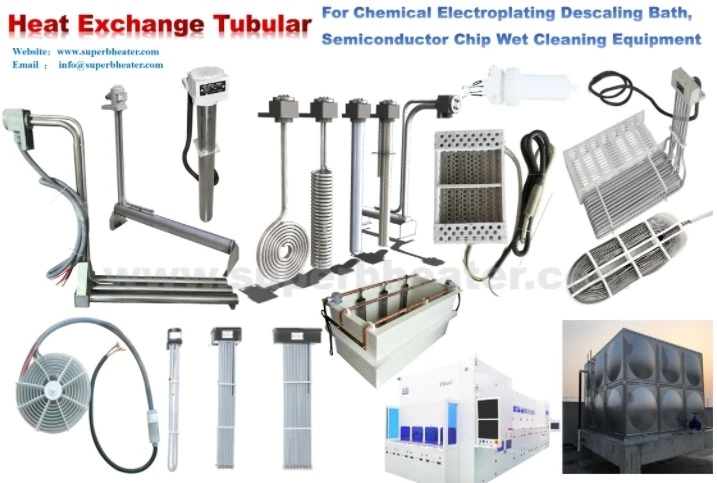
In industrial environments where custom-designed PTFE heating plates are used in critical processes, the risk of unexpected failure can lead to significant operational disruption. These units often serve vital functions and can be challenging or costly to replace. The question arises: for equipment that is essential and difficult to replace, could a proactive, scheduled refurbishment during planned downtime be a more cost-effective and reliable approach than waiting for a failure to occur?
The Case for Proactive Refurbishment vs. Reactive Repair
In the world of asset management, there are two primary approaches to maintenance: reactive repair and proactive refurbishment. Reactive repair is, by definition, a response to failure. It's often urgent, unplanned, and usually results in extended downtime. While this approach may seem cost-effective in the short term, the long-term consequences of unscheduled downtime, lost productivity, and potential damage to associated systems can make it an expensive option.
Proactive refurbishment, on the other hand, is a scheduled, preemptive strategy where the equipment is overhauled based on predicted performance and operational metrics rather than waiting for an actual failure. For custom PTFE heaters that play a critical role in production, this strategy offers a more controlled, predictable, and reliable means of maintaining equipment. Much like how aircraft engines undergo regular overhauls based on hours of flight rather than waiting until they break down mid-flight, proactively refurbishing high-value heaters before failure ensures uninterrupted service and maximizes the heater's operational life.
When to Consider Proactive Refurbishment
For certain high-cost, custom heaters, proactive refurbishment becomes a strategic maintenance decision. Several key indicators point to the necessity of this approach:
Long Procurement Lead Times: Custom heaters often require extensive lead times for replacement, meaning a failure could result in weeks or even months of downtime while a new unit is fabricated and shipped. By scheduling a refurbishment during planned outages or maintenance windows, the heater can be serviced well before failure occurs, minimizing the risk of extended operational disruption.
Critical Role in Single-Point-of-Failure Processes: In processes where the heater plays a critical, irreplaceable role, downtime is not just costly; it can be catastrophic. If the heater's failure would halt production or compromise safety, the risk of unexpected breakdowns outweighs the cost of proactive maintenance. Refurbishing the unit on a fixed schedule ensures that the equipment remains operational without the unpredictable consequences of a sudden failure.
Reaching Predefined Operational Milestones: Over time, even the most well-maintained heaters experience wear and degradation. Components such as heating elements, wiring, and insulation may begin to show signs of stress or wear, especially after many years or hours of operation. By tracking the operational age or total usage hours, companies can anticipate when performance may degrade to a level that puts the heater at risk of failure. This data-driven approach allows the refurbishment to be done based on actual wear, minimizing risk while extending the useful life of the heater.
What Proactive Refurbishment Entails
Proactive refurbishment for high-value PTFE heaters involves a comprehensive set of activities aimed at restoring the unit to optimal operating condition. The goal is to address wear and degradation before failure, ensuring that the heater is ready for continued service without the need for emergency repairs. The refurbishment process might include:
Manufacturer Inspection: A thorough inspection by the original equipment manufacturer (OEM) or qualified service provider is essential. They can identify potential issues such as degraded insulation, component fatigue, or wear on critical parts that could lead to failure.
Resurfacing: PTFE heaters are prone to wear, especially on the surface. If the PTFE coating has degraded or accumulated carbonized residues, resurfacing can restore the heater's performance and extend its functional life.
Rewiring and Component Replacement: Over time, the electrical components of the heater, including wiring, thermostats, and sensors, may deteriorate. Replacing these parts based on their condition, rather than waiting for a failure, ensures the continued reliability of the heater. This can prevent common issues such as faulty temperature regulation or power loss.
Calibration and Performance Testing: After refurbishment, the heater should be recalibrated and tested to ensure it meets the original specifications. This may include checking the temperature accuracy, heating response time, and verifying the performance of the control systems.
By addressing these issues in a timely, planned manner, proactive refurbishment restores the equipment to its optimal state while preventing unexpected breakdowns and ensuring long-term reliability.
Strategic Benefits of Proactive Refurbishment
The strategic benefits of proactive refurbishment for high-value PTFE heating plates are substantial. For one, it minimizes the risk of unscheduled downtime, which can be far more expensive and disruptive than planned maintenance. The financial analysis of this approach often reveals that planned downtime and refurbishment are more cost-effective than the unknown but typically higher costs of emergency failures. These costs include lost production, potential equipment damage, expedited shipping for replacement parts, and the labor required to address the failure.
Moreover, proactive refurbishment allows businesses to avoid the complexities and uncertainties associated with emergency repairs. When a heater fails unexpectedly, finding and sourcing replacement parts, particularly for custom units, can be a time-consuming and costly process. By refurbishing the heater in advance, businesses can avoid these challenges and keep their production lines running smoothly.
Conclusion: Maximizing Total Cost of Ownership
Proactive refurbishment is not just a repair strategy-it's a comprehensive approach to lifecycle management that maximizes the total cost of ownership of custom-engineered PTFE heating plates. It's a decision rooted in reliability-centered maintenance, where the goal is to ensure that critical equipment is always performing at its best and ready to handle its workload without unanticipated downtime.
For organizations that rely on high-cost, custom heaters, collaborating with a manufacturer or qualified service provider capable of performing in-depth refurbishments is crucial. By incorporating scheduled refurbishments into the maintenance strategy, companies can secure the long-term health of their equipment and maintain operational continuity, ultimately providing a greater return on investment than simply replacing equipment or relying on reactive repairs.