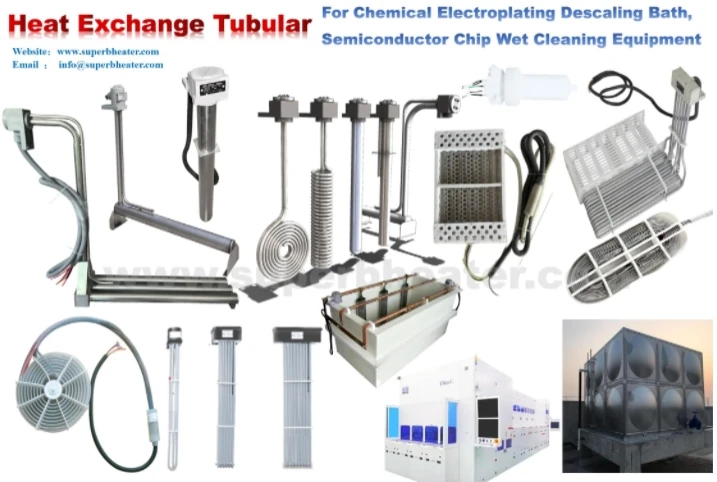
PTFE heating plates are widely used in industrial processes for their chemical resistance and precise thermal control. However, even high-quality plates can exhibit inconsistent performance if the electrical supply is unstable. A common scenario occurs in plants where a heating plate performs well during some shifts but heats slowly or unevenly during others. Investigation often reveals that voltage supplied to the plate fluctuates with overall plant load. Understanding how voltage variations influence heating plate performance is critical for maintaining process efficiency and reliability.
The Relationship Between Voltage and Power
The power output of a PTFE heating plate is directly related to the voltage applied. Specifically, the heating power is proportional to the square of the voltage:
This means small deviations in supply voltage have a disproportionately large effect on heating. For example, a 10 percent drop in voltage reduces power by nearly 19 percent. This reduction slows heat-up times, extends production cycles, and can prevent the plate from reaching the target temperature efficiently. Conversely, voltage above the rated level can increase power beyond design limits, potentially causing localized overheating, accelerated material degradation, or even electrical damage to the plate.
Effects on Efficiency and Heating Speed
Voltage fluctuations directly affect both the speed and efficiency of heating. Reduced voltage lowers energy output, meaning the plate must operate longer to achieve the desired temperature, increasing energy consumption and process time. High voltage can overshoot setpoints, leading to wasted energy and the need for frequent cooling cycles or controller intervention. Even brief periods of low voltage during peak plant demand can create inconsistent product quality, especially in sensitive thermal processes.
Mitigation Strategies
Voltage Regulation and Dedicated Circuits: Ensuring consistent supply voltage is essential. Dedicated circuits for critical heating applications help isolate PTFE plates from fluctuations caused by other heavy loads in the plant. Installing proper voltage regulation equipment, such as line conditioners or stabilizers, maintains a steady supply and prevents unexpected heating variations.
Measuring Voltage Under Load: Effective diagnosis requires measuring the voltage at the heating plate while it is operating. Readings taken under actual load conditions reveal true supply characteristics, identifying drops due to undersized wiring, long cable runs, or load variations. In practice, older facilities often experience significant voltage drop in supply cables, which directly affects plate performance. Installing a voltmeter at the plate provides continuous monitoring, alerting operators to deviations that might require corrective action.
Electrical Design Considerations: Proper sizing of supply conductors, breakers, and connectors ensures minimal voltage drop. Avoiding shared circuits with high-current equipment reduces the risk of transient voltage fluctuations. In multi-plate installations, balancing loads across phases helps maintain uniform voltage to each unit, improving overall thermal consistency.
Practical Insights
In many cases, inconsistent heating is mistakenly attributed to the plate or control system rather than the electrical supply. Thermal imaging or sensor monitoring may show slower-than-expected heat-up in specific periods, which correlates directly with voltage dips. Addressing supply stability often resolves these issues without mechanical or thermal modifications.
A proactive approach is to incorporate voltage monitoring as part of routine preventive maintenance. Tracking supply trends helps predict potential performance issues before they affect production. In combination with calibrated temperature control and proper mounting, stable voltage ensures that heating plates operate efficiently and reliably.
Conclusion
Voltage fluctuations are a hidden but significant factor affecting the performance and efficiency of PTFE heating plates. Because power output varies with the square of applied voltage, even modest drops can drastically slow heating, while excessive voltage can accelerate wear or cause overheating. Maintaining stable supply voltage through dedicated circuits, voltage regulation, and proper conductor sizing is essential for consistent performance. Measuring voltage under load provides actionable data, enabling preventive actions to sustain optimal heating speed and energy efficiency. Even with stable voltage, gradual aging of heating elements can reduce performance over time, making combined electrical and thermal monitoring a best practice for long-term reliability.