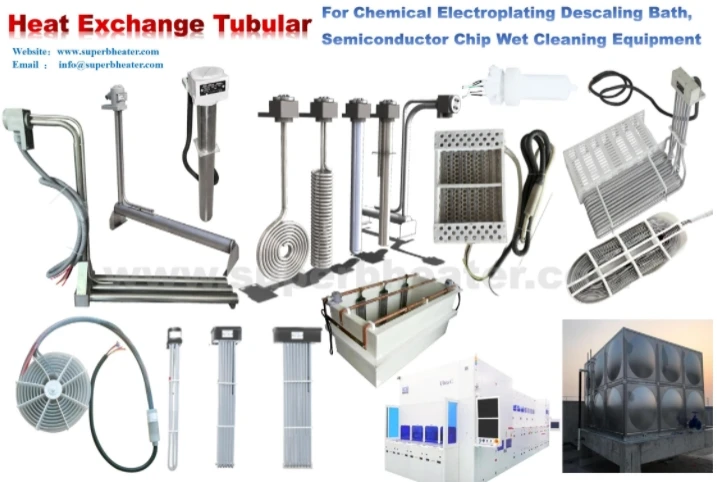
In many process plants, energy costs and process consistency are key concerns, and heat exchangers often represent a prime opportunity for improvement. A PTFE heat exchanger may operate safely, but suboptimal flow rates, temperature settings, or maintenance practices can lead to higher utility consumption and reduced thermal performance. Optimizing day-to-day operation ensures peak efficiency while extending equipment life.
Flow Optimization
Maintaining proper flow rates on both the process and utility sides is essential for maximizing heat transfer. Turbulent flow enhances convective heat transfer coefficients, while flow below design velocities can reduce performance significantly. In practice, even a 10 percent reduction in flow can decrease heat transfer by a similar margin, often without a proportional reduction in pumping energy. Ensuring that pumps operate near their design point and that control valves are fully open when maximum duty is required prevents flow restrictions and avoids unnecessary energy loss.
Temperature Control
Optimizing temperature control is another key factor in efficient operation. Excessive approach temperatures-where the heat exchanger outlet temperature closely matches the heating or cooling medium-can increase utility consumption. Proper setpoint selection balances process requirements with thermal efficiency, preventing overshoot and minimizing wasted energy. Gradual ramping during startup and controlled shutdowns also help maintain efficiency by avoiding unnecessary thermal gradients that can create localized stress and reduce overall heat transfer effectiveness.
Maintenance and Cleaning Practices
Regular maintenance is crucial to sustain performance. Rather than relying solely on fixed cleaning schedules, monitoring performance indicators such as pressure drop and approach temperature enables condition-based cleaning. Fouling, scaling, or deposition can increase pressure drop and reduce heat transfer, but timely intervention based on trends preserves efficiency while avoiding unnecessary downtime. In practice, establishing baseline performance data allows operators to detect even subtle deviations that might indicate early-stage fouling.
Performance Monitoring
Continuous monitoring of operating parameters supports both efficiency optimization and predictive maintenance. Tracking pressure drop, inlet and outlet temperatures, and flow rates allows identification of issues before they impact production or energy consumption. Common indicators include a rising pressure drop or a widening temperature difference between the process and utility sides, signaling reduced heat transfer efficiency. Early detection enables corrective actions such as adjusting flow, cleaning, or tuning control systems.
Practical Insights
Several operational behaviors can enhance efficiency in everyday practice. Ensuring that control valves are fully open during peak duty prevents bottlenecks that reduce heat transfer. Gradual adjustments in flow and temperature settings allow the system to stabilize without inducing thermal stress or wasting energy. Maintaining clean tube surfaces and properly functioning instrumentation also ensures that the exchanger operates as designed, with minimal losses.
Summary
Optimizing the operating efficiency of a PTFE heat exchanger requires attention to flow management, temperature control, maintenance practices, and ongoing performance monitoring. Maintaining turbulent flow, selecting appropriate setpoints, and cleaning based on condition rather than fixed intervals all contribute to reduced energy consumption and improved process consistency. By observing key indicators and addressing deviations promptly, plants can ensure that PTFE heat exchangers operate at peak efficiency, reducing operational costs while extending equipment life.
For facilities seeking deeper savings, a comprehensive energy audit may reveal additional optimization opportunities across the entire process, from utility supply to control strategies, further enhancing the overall efficiency of the thermal system.