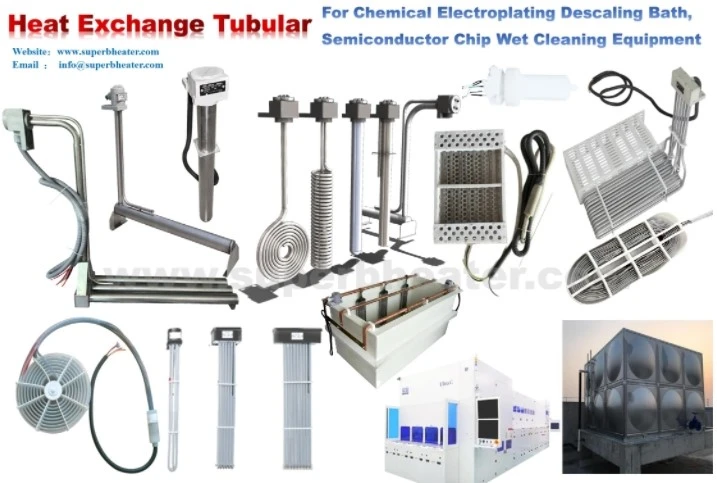
PTFE (Polytetrafluoroethylene) is renowned for its chemical resistance, making it an ideal choice for industrial heating applications. However, even though PTFE can resist a wide variety of substances, under specific conditions-such as extreme temperatures, high pressures, or certain chemical concentrations-it can still face long-term risks like permeation or stress cracking. These slow, often overlooked processes may not cause immediate failure but can compromise the heater's performance over time. How can users identify these risks and implement strategies to prevent damage?
Understanding the Risks: Permeation and Stress Cracking
Two primary risks related to PTFE's durability in chemical environments are permeation and stress cracking.
Permeation occurs when small molecules of certain chemicals diffuse slowly through the PTFE. This typically happens over extended exposure periods and may not show immediate signs of damage. Once the chemical penetrates the PTFE surface, it can reach the internal components of the heating plate, weakening the material and causing potential degradation to non-PTFE components.
Stress cracking arises when a chemical interacts with PTFE under mechanical stress. When PTFE is under tension-either due to physical forces, temperature changes, or chemical exposure-certain aggressive chemicals (such as amines or halogenated hydrocarbons) can initiate cracks in the polymer. Once these cracks form, they can worsen over time, increasing the risk of failure and creating pathways for additional chemical penetration.
These phenomena are often exacerbated by prolonged exposure to hot solvents or aggressive chemicals. In areas where mechanical stress is common, such as around electrical terminals or mounting points, PTFE becomes more vulnerable to these issues.
Common High-Risk Scenarios for PTFE Damage
Certain environments make PTFE particularly susceptible to damage. These include:
High-Temperature Chemical Exposure: Prolonged contact with hot, aggressive chemicals such as certain amines, acids, or halogenated hydrocarbons can accelerate permeation and stress cracking.
Mechanical Stress Points: Areas where the PTFE material is under mechanical stress (such as flexing, compression, or stretching) are more prone to cracking when exposed to certain chemicals.
Table: High-Risk Chemicals for PTFE Degradation
|
Chemical |
Risk Type |
Typical Effect |
|
Amines |
Permeation, Stress Cracking |
Chemical penetration and material cracking at stress points |
|
Halogenated Hydrocarbons |
Permeation, Stress Cracking |
Degradation of the PTFE polymer over time |
|
Strong Acids |
Stress Cracking |
Formation of cracks under tension, increased brittleness |
|
Strong Bases |
Permeation |
Slow chemical penetration leading to internal damage |
Managing Chemical Compatibility Risks
To effectively manage chemical permeation and stress cracking, routine visual inspections are essential. Users should check for signs of swelling, discoloration, or changes in flexibility. These early indicators may suggest the start of chemical damage and should prompt further investigation.
Consulting comprehensive chemical resistance charts is vital. These charts provide data not only on whether PTFE is compatible with a given chemical but also on its temperature limits, chemical concentrations, and exposure times. Having this data allows users to assess the compatibility more accurately, taking the full operating conditions into account.
In applications with aggressive chemicals, a secondary containment tray can be an effective measure. This helps capture any leaks or spills that might occur, preventing damage to the heating plate and the surrounding environment. Secondary containment is especially useful when dealing with high-risk processes.
Risk Mitigation Strategies
Changes in the PTFE's appearance, such as stains, cracks, or loss of flexibility, should be treated as warning signs. In such cases, the equipment should be removed from service and inspected further.
Before selecting a PTFE heating plate for aggressive chemicals, it is wise to consult with the heater manufacturer's engineers. Manufacturers can provide tailored material recommendations and design suggestions based on the specific chemicals and process conditions.
Use Reinforced Coatings or Alternative Materials
For particularly aggressive chemicals, consider using heaters with reinforced coatings or alternative materials designed to provide enhanced resistance to chemical permeation or stress cracking. These materials may cost more upfront but can improve the long-term performance and safety of the heating system.
Practical Approach for Managing Compatibility Risks
Compatibility is not always an absolute "yes/no" question. The performance of PTFE depends on the chemical, temperature, and mechanical condition of the heater. Users should treat any persistent stain or change in flexibility as a potential early warning. The best way to avoid long-term damage is to maintain a proactive maintenance schedule with regular checks and inspections. Preventive maintenance is a key component of safeguarding against chemical damage, reducing the likelihood of failure in critical heating applications.
Conclusion: Vigilance and Proactive Maintenance
Managing the risks of permeation and stress cracking in PTFE heaters is an ongoing process that requires vigilance. It is essential to understand the chemical environment, operating conditions, and potential stress points that may affect PTFE's integrity. For users handling aggressive or exotic chemicals, a technical review with the manufacturer's engineers can provide valuable insights into optimal material selection and design features. Regular inspections, coupled with detailed chemical compatibility checks, will ensure that PTFE heaters perform safely and reliably over their service life, minimizing the risk of failure or hazardous leaks.