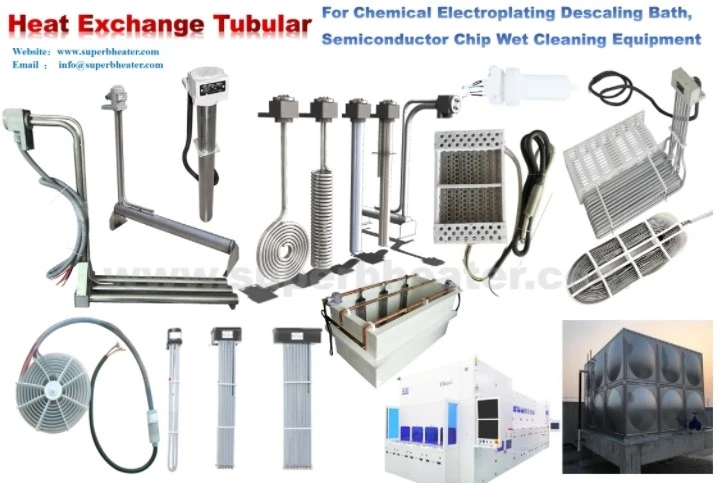
In many industrial and laboratory settings, volatile and flammable liquids are heated as part of critical processes. However, using standard electrical heating devices, such as PTFE hot plates, in such environments can create significant hazards. The ignition of vapors or gases from flammable solvents can lead to devastating fires or explosions. What makes a standard heating plate unsafe in these conditions, and how can these risks be mitigated through certified alternatives and proper safety protocols?
Standard heaters can be dangerous when used near flammable solvents because they pose multiple ignition risks. These risks primarily come from three sources: sparks, high surface temperatures, and the potential for electrical malfunctions. Sparks generated by electrical components such as thermostats, switches, or relays can easily ignite vapors that are present in the atmosphere, while the surface temperatures of the heater itself may exceed the auto-ignition temperature of volatile solvents.
In environments with flammable liquids or gases, these ignition risks are amplified. Even small components like the thermostat clicking on and off can generate a spark, potentially igniting solvent vapors that accumulate at floor level. This makes seemingly harmless equipment a dangerous liability in volatile environments. The key to ensuring safety in such settings lies in understanding the equipment's suitability for the environment and adhering to specific safety standards.
One critical safety principle for handling flammable substances is to use equipment that is certified for the hazard zone it operates in. This is where hazardous area classifications and explosion protection ratings come into play. Equipment that is used in locations with the potential for explosive atmospheres must meet specific safety criteria and bear certifications such as ATEX, IECEx, or similar recognized standards.
The most common hazardous area classifications are divided into Zones or Divisions, with each classification indicating the likelihood and duration of hazardous conditions. For instance, Zone 0 refers to environments where flammable gases are continuously present, Zone 1 covers environments where flammable gases are likely to occur in normal operations, and Zone 2 applies to areas where such gases are unlikely, but could still occur in the event of a malfunction. Each zone has specific requirements for the type of equipment that can be safely used, including electrical heaters.
To operate in these areas, a heater must meet the appropriate equipment protection standard, such as Ex d (Explosion-Proof) or Ex e (Increased Safety). Ex d heaters are designed to withstand internal explosions and prevent ignition of surrounding hazardous materials, while Ex e heaters have increased protection to minimize the risk of sparks or overheating. These certifications are critical for ensuring that a heater is safe to operate in potentially explosive atmospheres. For example, a standard PTFE heating plate without these certifications would not be suitable for use in an environment where flammable vapors or gases are present, as it could easily cause an ignition.
In addition to using certified equipment, strict operational controls must be implemented in certain environments. For temporary use with low-flashpoint solvents or volatile substances, even if a certified heater is not used, basic safety measures are an absolute minimum. These controls might include placing the heater in a fume hood to contain fumes, using secondary containment to prevent spills, and ensuring continuous ventilation to disperse any flammable vapors that might accumulate. Such protocols help reduce the risk of dangerous accumulations of flammable gases and ensure that any potential ignition sources are effectively isolated.
It's also important to note that, even in the presence of ATEX, IECEx, or equivalent-certified equipment, safe installation, operation, and maintenance procedures must be followed. For example, proper grounding and avoiding over-tightening or damaging seals and gaskets are essential for maintaining the integrity of explosion-proof equipment. Any lapse in maintenance or improper use could compromise the safety features of certified equipment.
Practical Considerations for Safe Use:
Never assume a standard heater is "safe enough" for use near flammable solvents. Only use heaters that are specifically rated and certified for hazardous locations.
Conduct regular safety audits of equipment in hazardous environments to ensure compliance with relevant standards and proper maintenance.
Never use makeshift barriers or shields to try to "contain" potential ignition risks. Equipment rated for hazardous locations is designed with safety mechanisms that are integral to its operation.
The presence of flammable materials fundamentally changes the safety equation. It is not enough to assume that a standard electrical heater will be safe under these conditions. The use of heaters in environments with flammable solvents or gases must adhere to strict regulations and safety protocols. Proper area classification and the use of certified explosion-proof or increased safety equipment are not only legal requirements but essential safety practices. For facilities handling corrosive or hazardous materials, partnering with suppliers who specialize in both corrosion-resistant and explosion-safe heating solutions is the best way to ensure safe, efficient operations. These suppliers can provide the necessary equipment, documentation, and support to meet both chemical and explosion safety requirements.