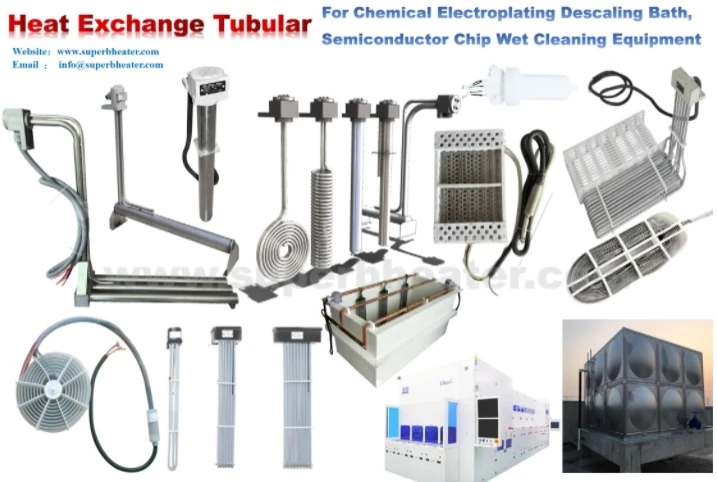
Maintaining precise temperature control on a PTFE heating plate is critical for process consistency. A common scenario occurs when the plate itself appears to heat normally, yet the temperature swings erratically-overshooting, undershooting, or failing to hold the setpoint. Such instability can ruin product quality and disrupt production schedules. In these cases, the issue often lies not with the heating plate itself but within the temperature control system. Understanding how to diagnose and address control issues is essential for reliable operation.
Components of a Temperature Control Loop
A typical temperature control loop consists of three main elements:
Sensor: Measures the temperature of the plate or process surface and provides feedback to the controller.
Controller: Compares the measured temperature to the setpoint and determines the required heating output, often using PID (proportional–integral–derivative) logic.
Power Switching Device: Applies power to the heating element based on the controller's output, such as a solid-state relay (SSR) or contactor.
Each component plays a critical role in maintaining stable temperature. Faults or misconfigurations in any part of the loop can produce oscillations or poor regulation.
Diagnosing Sensor Issues
Sensor placement and thermal contact are often overlooked yet highly influential. Sensors must be positioned where they accurately reflect the temperature of the heated surface, not the surrounding air. Poor thermal contact, such as an air gap between sensor and plate, causes delayed or misleading readings, resulting in over- or underheating.
Verifying sensor readings against a trusted thermometer or thermal probe is a practical first step. In practice, many temperature oscillations are traced back to sensors reading air rather than the plate, which misguides the controller. Repositioning the sensor or improving thermal contact with thermally conductive paste or mounting hardware often resolves the problem.
Evaluating Controller Settings
Once the sensor is confirmed accurate, controller settings should be reviewed. PID parameters must be appropriate for the thermal mass of the plate and the process load. For example, a large PTFE plate with slow thermal response requires lower proportional gain and longer integral time to prevent oscillations. A common issue is incorrect tuning-settings optimized for smaller or faster-heating plates can produce overshoot or cycling on larger units.
Additionally, verify that the setpoint matches the intended process temperature. Errors here can create persistent offset or lead to repeated attempts by the controller to reach an unreachable target.
Inspecting Power Switching Devices
The final component to consider is the power switching device, which regulates the current to the heating plate. SSRs, contactors, or relays can fail mechanically or electronically. Symptoms include chattering, delayed switching, or inconsistent conduction, all of which destabilize temperature control. Testing or replacing the switching device may be necessary if sensor and controller issues are ruled out.
Step-by-Step Isolation Procedure
Sensor Check: Confirm accurate placement and reading with an independent thermometer.
Controller Verification: Review PID parameters and ensure setpoint is correct. Adjust tuning if necessary for the plate's thermal mass.
Power Device Assessment: Inspect and test the SSR or contactor for proper operation under load. Replace if inconsistencies are observed.
Integrated Test: After adjustments, monitor the plate's temperature response to confirm stability.
Using this systematic approach isolates the root cause efficiently, reducing downtime and preventing unnecessary replacement of functioning equipment.
Practical Insights
In practice, many temperature control issues originate from sensor placement. Even high-quality PID controllers cannot compensate for delayed or inaccurate temperature feedback. Another common scenario occurs when PID parameters are mismatched to the plate's thermal characteristics, producing repeated overshoot despite correct sensor readings. Stepwise isolation and calibration of each loop element ensure accurate diagnosis and correction.
For multi-zone heating plates, additional complexity arises. Each zone may have its own sensor and controller channel, and interactions between zones can exacerbate instability. Careful calibration of each loop and monitoring of zone-to-zone temperature interactions are required to maintain uniform heating across the entire plate.
Conclusion
Stable temperature control of PTFE heating plates requires proper function and coordination of the sensor, controller, and power switching device. Diagnosing erratic heating involves verifying sensor placement and thermal contact, reviewing PID tuning and setpoints, and testing the switching device under load. Step-by-step isolation ensures the underlying issue is identified without unnecessary replacement of components. In multi-zone systems, additional attention is necessary to maintain uniform and consistent temperature across all zones. Addressing each element of the control loop provides reliable temperature regulation, protecting product quality and process efficiency.