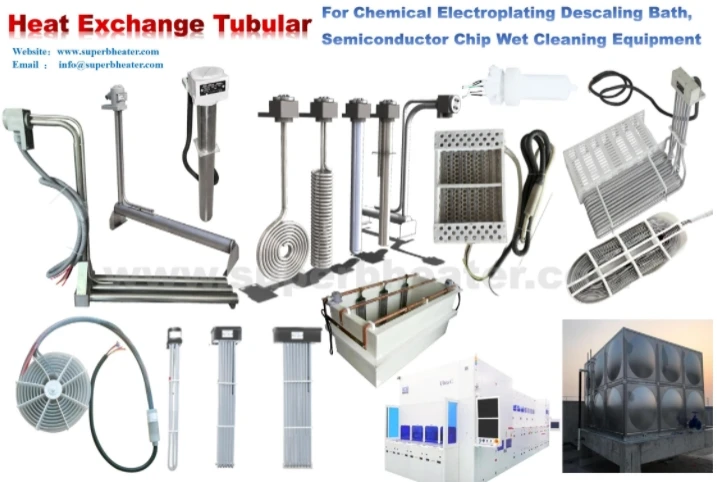
A brand-new PTFE heating plate, delivered with full certification and expected to provide years of reliable service, fails after only a few months. Ground fault protection trips repeatedly, heat output drops, or visible surface damage appears. The immediate reaction points to a manufacturing defect, and the supplier receives the blame. Yet detailed investigation frequently uncovers installation errors, process upsets, mismatched application parameters, voltage issues, or subtle environmental factors as the true origin. Maintenance managers and reliability engineers need a structured failure investigation framework to move beyond assumptions, pinpoint the actual root cause, and implement preventive measures that protect the next plate from the same fate.
Documentation Review
Collect all relevant records before disturbing the failed unit. Gather the plate's nameplate data, purchase specifications, installation date, commissioning checklist, and detailed operating logs. Document original process conditions-temperature setpoint, load type, ambient environment, and chemical exposure-along with any subsequent changes such as increased duty cycle, new process fluids, or modifications to flow patterns. Compare measured supply voltage against nameplate rating; even a 10 % drop reduces power output by nearly 20 %. Review maintenance history for cleaning agents, mounting torque values, and previous inspections. This baseline narrows hypotheses and prevents overlooking upstream or operational contributors.
Visual Examination and Damage Pattern Recognition
Preserve the plate exactly as removed; avoid cleaning or straightening. Conduct a systematic inspection under bright, angled lighting with low-power magnification. Map damage location relative to mounting points, edges, corners, and the active heating zone. Record appearance carefully:
Uniform surface whitening, embrittlement, or fine crazing across exposed areas suggests chemical attack.
Localized blistering, charring, or melting indicates thermal overload or dry-run events.
Clean, sharp cracks near mounting holes or corners point to thermal stress or vibration fatigue.
Dents with radiating fractures confirm mechanical impact.
In practice the location of failure often tells the story with cracking near edges suggesting thermal stress damage at hot spots suggesting electrical issues and uniform surface change suggesting chemical attack. These patterns generate targeted hypotheses and eliminate unrelated causes early.
Operational Data Analysis
Retrieve historical trend data from the temperature controller, power monitors, and any available sensors. Examine for temperature excursions above the plate's rated limit, prolonged full-power operation during startup, voltage fluctuations, or low-load conditions that could cause overheating. Look for contamination events-spills, splashes, or residue buildup-that coincide with performance decline. Cross-reference timestamps with production logs to link failures to specific batches, cleaning cycles, or process adjustments. Quantitative data often reveals transient conditions invisible during visual inspection.
Environmental and Exposure Analysis
Compile a comprehensive exposure profile. List every chemical, vapor, fume, or mechanical stress the plate encountered-process media, cleaning solutions, airborne contaminants, vibration sources, or mechanical contact. Include concentration ranges, temperature spikes, and pH excursions. Even brief contact with incompatible agents (strong oxidizers, fluorinating compounds, or trace peroxides) can initiate degradation that progresses under normal conditions. Review nearby equipment for vibration transmission or heat sources that could induce localized stress.
Evidence Preservation and Next Steps
Photograph the plate from multiple angles, including close-ups of damage sites, before any handling. Maintain chain-of-custody records for samples sent to laboratories. A common mistake is discarding failed plates without investigation as the failed unit is the best source of information about what went wrong. When visual and historical evidence remains inconclusive, perform basic non-destructive tests: insulation resistance (should exceed 100 MΩ at 500 V DC), weight change measurement, and hardness testing. For definitive root cause determination, engage the manufacturer or an independent laboratory for advanced analysis-scanning electron microscopy, Fourier-transform infrared spectroscopy, or elemental mapping-that identifies subtle degradation mechanisms.
Systematic investigation turns a frustrating event into a learning opportunity that prevents future failures. Root cause analysis, failure investigation, damage pattern recognition, evidence preservation, and systematic diagnosis replace reactive replacement cycles with proactive asset protection. For complex or repeated failures engaging an independent failure analysis laboratory can provide definitive answers beyond in-house capabilities. Specialized techniques often uncover synergistic effects, undocumented contaminants, or installation oversights that internal reviews miss, enabling permanent corrective actions and ensuring subsequent PTFE heating plates achieve their full design life in demanding industrial environments.