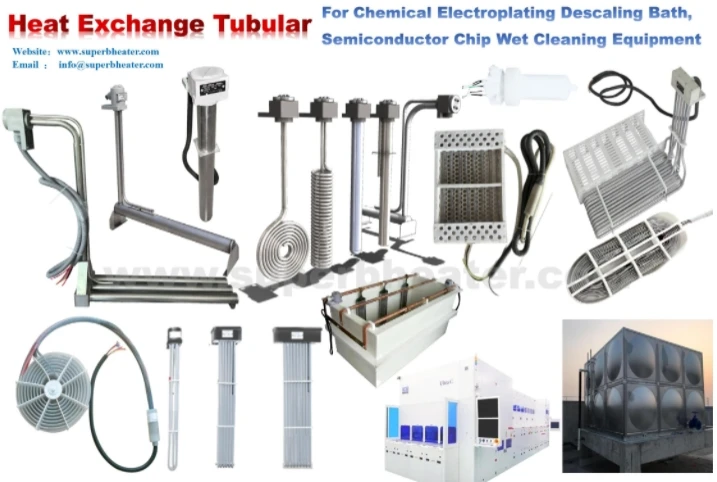
In chemical plants handling flammable solvents or volatile gases, certain zones are classified as Zone 1 or Class I Division 1, where the presence of ignitable atmospheres is expected during normal operation. Installing standard PTFE heat exchangers in these environments without special consideration can create significant safety risks. Even though heat exchangers do not inherently generate sparks like electrical devices, they can act as ignition sources if surface temperatures, static charges, or mechanical impacts are not properly managed. Understanding the additional design features, installation requirements, and safety certifications is critical for maintaining compliance and ensuring safe operation in hazardous areas.
Principles of Explosion Protection for Heat Exchangers
Explosion protection in hazardous areas is based on controlling potential ignition sources. PTFE heat exchangers are generally chemically inert and non-sparking, but three primary mechanisms can present a hazard: static accumulation, surface temperature exceeding the ignition point of the atmosphere, and mechanical sparking from impacts or abrasion. Addressing these risks requires careful material selection, grounding strategies, and compliance with relevant safety standards.
Static Accumulation and Dissipation
PTFE is an excellent electrical insulator, which can allow static charges to accumulate on heat exchanger surfaces. In flammable atmospheres, even small discharges can ignite vapors. To mitigate this risk, conductive or anti-static PTFE grades are often used in hazardous area installations. Proper grounding of all components, including tube bundles, flanges, and support structures, ensures that any accumulated static is safely dissipated. In practice, grounding is the most critical requirement, as any PTFE component capable of holding a charge must have a conductive path to earth. This requirement applies even to non-electrical parts, which are often overlooked in risk assessments.
Temperature Classification
The maximum surface temperature of PTFE heat exchangers must remain below the ignition temperature of the surrounding gases or vapors. This requirement is defined by the temperature class of the equipment. For example, a solvent with an ignition temperature of 200°C requires that the exchanger surface temperature stays well below that threshold during all operating conditions, including start-up, shut-down, and process upsets. Temperature monitoring and control strategies are therefore essential components of hazardous area design, ensuring that the exchanger does not become an unintended ignition source.
Mechanical Sparking
Mechanical impacts or abrasion involving metallic components can create sparks. In hazardous area installations, flanges, supports, and fasteners should be fabricated from non-sparking or suitably coated materials if there is a risk of impact. Even minor metal-to-metal contact can be sufficient to ignite certain atmospheres. Maintaining proper clearances, avoiding contact with tools during operation, and specifying appropriate materials reduce the likelihood of mechanical sparking.
Certification Requirements
Safety certification is critical for equipment installed in explosive atmospheres. ATEX and IECEx standards provide frameworks for assessing and certifying both electrical and non-electrical equipment in hazardous areas. While a common misconception is that only electrical equipment requires certification, mechanical equipment such as PTFE heat exchangers also falls under risk assessment and, in some cases, formal certification requirements. Compliance includes verifying material properties, grounding, temperature limits, and installation practices to ensure that the equipment does not contribute to ignition hazards.
Specifying and Installing Heat Exchangers in Classified Areas
Proper specification for classified areas begins during the design phase. Specifiers must identify the hazardous area classification, required temperature class, and the need for anti-static materials. Installation practices must guarantee continuous grounding, proper alignment to prevent mechanical impact, and accessibility for inspection. In practice, coordination between plant safety engineers, suppliers, and maintenance teams ensures that all requirements are addressed before the equipment is commissioned, preventing costly retrofits or operational restrictions.
Conclusion
Safe operation of PTFE heat exchangers in explosive or hazardous areas requires a systems approach rather than reliance on individual certified components. Key considerations include static dissipation, temperature classification, mechanical design to prevent sparking, and adherence to ATEX or IECEx guidance. Early involvement of safety engineers and experienced suppliers during specification and installation ensures that all risk factors are addressed, equipment is properly grounded, and surfaces remain below ignition temperatures. Following these practices allows PTFE heat exchangers to operate reliably and safely in hazardous environments, maintaining process integrity while minimizing the potential for ignition.