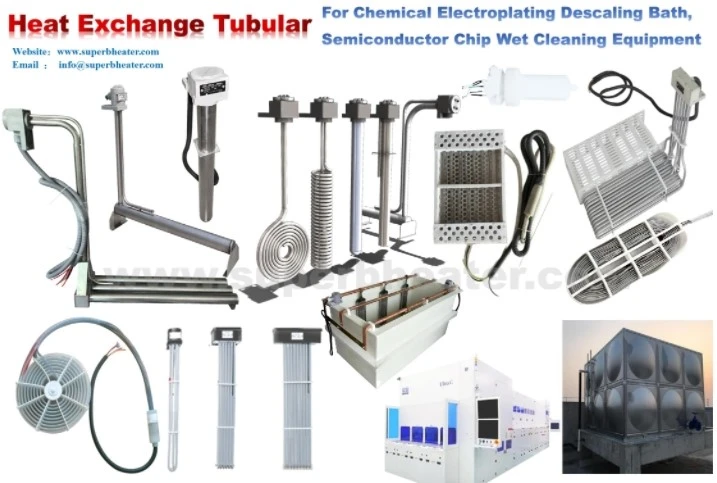
When developing a machine that requires a heated, corrosion-resistant platen or chamber as one of its core functions, the heater becomes more than an auxiliary part. It must integrate seamlessly to ensure consistent performance, safety, and reliability. When a heater is a critical component of the product, it needs to be more than just an off-the-shelf unit bolted on. How does one seamlessly integrate a reliable heating module that meets performance specs, fits the exact footprint, and interfaces with the machine's control system?
Limitations of Modifying Standard Heaters
Standard PTFE heating plates are designed for standalone use in labs or general industrial applications, where flexibility and ease of replacement are priorities. These off-the-shelf units come with fixed dimensions, basic power connections, and generic mounting options, which can limit their fit in a specialized machine. Modifying them-such as trimming edges, adding custom brackets, or rewiring for proprietary controls-often leads to compromises. Structural alterations can compromise the PTFE encapsulation, risking leaks or uneven heating. Electrical modifications might void certifications like UL or CE, complicating compliance for the final product. In high-volume OEM production, these adaptations add labor costs, introduce variability, and increase failure risks under warranty.
Designing an integrated module from the start avoids these pitfalls. By collaborating with a heater manufacturer early in the design phase, the module can be tailored as a subsystem. This approach treats the heater as an embedded "heating engine" rather than a retrofit component, ensuring it aligns with the machine's overall architecture from the outset.
The Integration Process
The process begins with defining the mechanical envelope. The heater must conform to the machine's available space, often requiring custom shapes like curved surfaces for cylindrical chambers or irregular footprints for compact analytical instruments. Mounting methods-such as threaded inserts, clamps, or adhesive bonding-need specification to handle vibration, thermal expansion, and serviceability. The thermal interface is equally critical: ensuring intimate contact between the PTFE surface and the vessel or platen minimizes air gaps that reduce efficiency. Materials like thermal interface pads or conductive greases can enhance heat transfer without compromising chemical compatibility.
Electrical connections and control signals follow. Basic units might use simple AC power leads with an on/off switch, but integrated designs often incorporate advanced interfaces. For example, a communication bus like Modbus or Ethernet/IP allows the heater to sync with the machine's PLC or SCADA system, enabling precise PID temperature control, remote monitoring, and fault diagnostics. Embedded sensors (thermocouples or RTDs) within the heater provide real-time feedback, preventing overshoot in sensitive processes like chemical dispensing or packaging sealing.
Material compatibility is non-negotiable. The PTFE face must withstand the machine's specific chemicals-acids in etching systems or solvents in analytical tools-without leaching or degrading. Specifications should include surface finish (e.g., Ra <0.5 μm for non-stick properties) and thickness to balance durability with thermal response time. Testing for compatibility under simulated operating conditions, including temperature cycles and chemical exposure, verifies the integration.
Key Considerations for OEMs
Lead times for custom units typically range from 4–12 weeks, depending on complexity, so early involvement is essential to avoid project delays. Prototyping allows iterative testing within the machine's assembly, refining aspects like zonal heating for uneven loads or power density for rapid ramps.
Reliability directly impacts warranty claims. A well-integrated heater reduces field failures from misalignment or incompatible controls, lowering service costs and enhancing brand reputation. Partnering with a single supplier for both the heater and integration support streamlines procurement: they can provide pre-wired modules, CAD models for seamless CAD import, and even co-design insulation or cooling features to optimize the overall system.
The goal is to receive a "heating engine" that drops into the design, not a consumer product that requires adaptation. Actually, working with the heater manufacturer early can help optimize the overall design, potentially simplifying insulation or cooling needs elsewhere in the machine. This collaborative approach often uncovers efficiencies, such as embedding diagnostics to predict maintenance or scaling power for variable production rates.
Conclusion
For OEM applications, the heater is a custom component. Successful integration requires treating it as such, with clear specifications and technical dialogue. Partnering with a flexible manufacturer who understands both heating technology and design-for-manufacture is crucial for bringing a robust product to market. This strategy not only ensures performance but also future-proofs the machine against evolving process demands, turning a potential bottleneck into a competitive advantage.