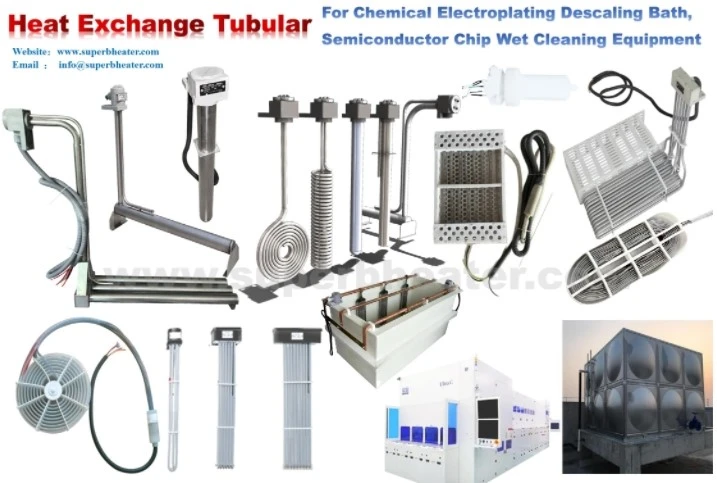
In chemical processing facilities, the need to remove a PTFE immersion heater often arises during tank cleaning, maintenance shutdowns, or process changeovers. A common example is a heater installed in a sulfuric acid or mixed-acid bath that must be taken offline before internal inspection. While the task may appear routine, attempting removal without a structured plan introduces serious risks. Residual hot chemicals, pressurized vapors, and mechanical stress on the heater assembly can lead to personnel injury, chemical exposure, or irreversible damage to a costly PTFE heater.
A disciplined equipment decommissioning approach transforms this potentially hazardous operation into a controlled and repeatable procedure. The following narrative outlines a safe removal procedure that prioritizes hazardous material handling, electrical safety, and asset preservation.
Electrical Isolation and Thermal Stabilization
Any PTFE heater dismantling process begins with complete electrical isolation. Power to the heater must be shut down at the source, followed by formal lock-out/tag-out procedures in accordance with plant safety policy. This step ensures that no residual or accidental energization occurs during removal.
Once electrically isolated, sufficient time must be allowed for both the heater surface and the surrounding process media to cool. Even chemically inert PTFE surfaces can retain heat, and removing a heater while hot increases the risk of thermal burns, vapor release, or deformation of gaskets and seals. In practice, confirming that the system has reached a safe handling temperature is as important as disconnecting power itself.
Draining, Rinsing, and Neutralizing the Process Tank
Before any mechanical disassembly begins, the chemical environment around the heater must be made as safe as possible. The tank should be drained following standard operating procedures for the specific chemical involved. For aggressive acids or alkaline solutions, this typically includes neutralization and controlled disposal.
After draining, a thorough rinse cycle is strongly recommended. Rinsing with a compatible fluid-often deionized water-reduces residual chemical films that may cling to the heater sheath, flange, or mounting nozzle. This step significantly lowers the risk of splashing or exposure during extraction.
Based on field experience, incomplete rinsing is one of the most common contributors to minor chemical incidents during heater removal. Even small pockets of trapped liquid can cause unexpected drips once fasteners are loosened.
Preparing the Work Area for Controlled Disassembly
With the tank rendered chemically safe, attention shifts to the physical removal environment. Adequate access space should be cleared around the heater mounting point, and all necessary lifting or support equipment staged in advance. PTFE heaters, particularly long immersion designs, can be heavier and more flexible than expected.
In practice, placing a dedicated drip tray or chemical-resistant containment beneath the flange before loosening bolts helps capture any final residual liquid. This simple precaution keeps the work area clean and prevents slips or surface contamination.
Personal protective equipment remains essential at this stage, as minor residuals may still be present despite rinsing.