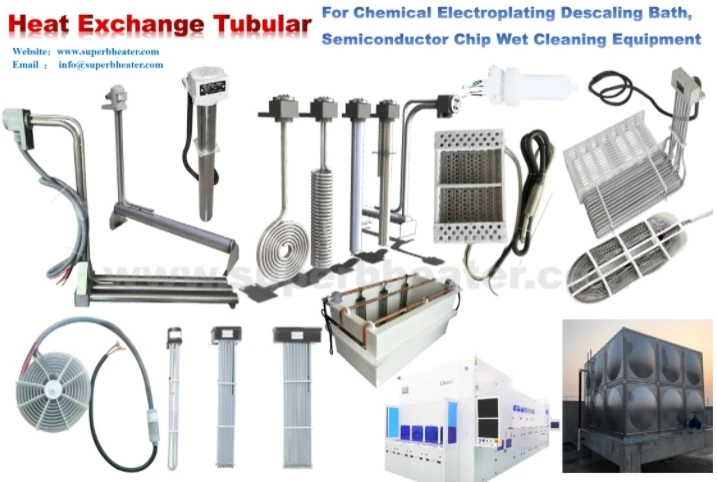
Gasket replacement on PTFE heat exchanger flanges is a routine yet critical maintenance task. A rushed or incomplete procedure often leads to leaks shortly after installation, causing frustration, repeated work, and potential safety hazards. Common mistakes include leaving residual old gasket material on the flange faces or misaligning the new gasket during installation. A systematic replacement procedure ensures a leak-free seal and extends the service life of both the gasket and the heat exchanger.
Preparation Before Replacement
The replacement process begins with careful preparation. First, the heat exchanger must be isolated from the process, and both sides fully depressurized and drained to prevent chemical exposure or injury. Confirming the correct replacement gasket is essential-both material compatibility and dimensions must match the original specifications. PTFE and other fluoropolymer gaskets require careful selection based on chemical resistance, operating temperature, and pressure conditions. Tools and materials for the procedure, including torque wrenches, alignment guides, plastic scrapers, and solvent compatible with PTFE, should be gathered in advance to minimize delays.
Removing the Old Gasket
Removal starts by loosening flange bolts in a controlled sequence to avoid flange warping or uneven separation. Typically, bolts are loosened incrementally in a cross-pattern sequence to distribute stress evenly across the flange. Once separated, the old gasket can be removed. Complete removal of residual material is critical. In practice, a plastic scraper is preferred because metal tools can easily gouge the sealing surface, compromising the new gasket. All traces of adhesive, compression set, or embedded particles must be cleaned to ensure proper sealing. Solvents safe for PTFE can assist in dissolving stubborn residues, but care must be taken to avoid aggressive chemicals that could damage the flange or surrounding components.
Surface Cleaning and Inspection
Following gasket removal, a thorough inspection of the flange faces is essential. Surfaces should be flat, smooth, and free of corrosion, nicks, or scratches. Any irregularities can prevent proper sealing and lead to leaks. Light cleaning with a compatible solvent removes grease, oil, or particulate contamination. In addition to visual inspection, tactile checks for surface smoothness help confirm readiness for gasket installation. Minor imperfections can be polished gently with a non-metallic pad, avoiding excessive abrasion that could alter the sealing surface geometry.
Installing the New Gasket
Gasket alignment is critical for a successful seal. The new gasket should be positioned accurately on one flange face, using alignment pins or guides if available, to prevent shifting during assembly. Bolts should be reinserted carefully, and any corroded or stretched bolts should be replaced to maintain even clamping force. Applying a thin layer of anti-seize on bolt threads is a common technique to ensure accurate torque readings and prevent galling during tightening.
Flanges are brought together gradually, checking that the gasket remains centered. Initial hand-tightening of bolts in a cross-pattern sequence ensures even compression. The final torque is applied incrementally, following manufacturer specifications, to achieve uniform pressure across the sealing surface. Over-tightening can damage the gasket, while under-tightening may lead to leaks.
Post-Installation Considerations
After the gasket is installed, verification of proper compression and alignment is essential. Inspection for slight protrusion or unevenness along the flange edge can indicate misalignment that requires correction before pressurization. Once operational pressures are applied, monitoring for small leaks during the initial startup period ensures that the seal is functioning correctly. Documentation of the replacement procedure, including torque values and gasket type, provides a reference for future maintenance and assists in troubleshooting.
Conclusion
Replacing gaskets on PTFE heat exchanger flanges requires careful attention to preparation, removal, surface cleaning, alignment, and bolt tightening. Following a structured replacement procedure ensures a leak-free seal, prevents repeated maintenance, and contributes to long service life. Proper flange preparation, thorough sealing surface inspection, and controlled gasket installation, combined with accurate bolt torque application, form the foundation of reliable PTFE heat exchanger maintenance. Adhering to these steps minimizes the risk of leaks, enhances operational safety, and optimizes overall equipment performance.