In many chemical processing and industrial heating operations, electrical failures often appear suddenly and without warning. A heater may test perfectly during installation, only to develop intermittent faults or fail entirely after weeks of operation. When maintenance personnel finally inspect the unit, the cause is often immediately visible: terminal connections inside the junction box are green, corroded, or wet-a victim of the hostile environment surrounding it. These failures are more than inconvenient; they can compromise production, create safety hazards, and increase costly downtime.
The root of this problem lies in exposure. Electrical terminations are surprisingly vulnerable to chemical vapors, humidity, and corrosive atmospheres. Standard enclosures, even when appearing robust, may allow microscopic amounts of moisture or vapors to penetrate. Once inside, aggressive chemicals attack copper conductors and metal terminals, forming corrosion products that increase resistance. Over time, these high-resistance points generate localized heating, which can lead to further insulation breakdown, intermittent operation, or catastrophic failure.
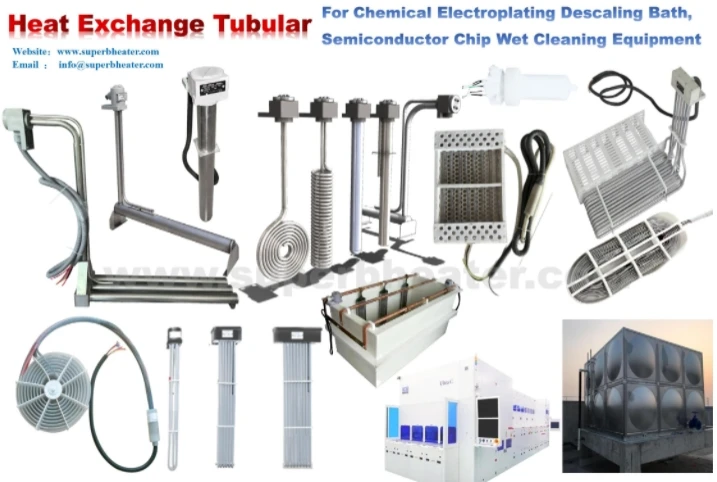
The critical takeaway is that protecting electrical terminations from the environment is as important as selecting the correct heater for the process itself. PTFE-encapsulated heaters, commonly used in chemical and high-temperature applications, offer a major advantage when properly specified. High-quality PTFE heaters feature fully encapsulated terminal boxes constructed from corrosion-proof materials and designed with sealed entry points for all cable connections. These designs eliminate the pathways through which moisture and chemical vapors can infiltrate, ensuring the electrical integrity of the system over the long term.
Field experience demonstrates that stopgap measures-such as applying silicone sealant around cable entries or using heat-shrink tubing-are rarely sufficient in harsh environments. While these methods may offer temporary protection, they cannot replicate the complete isolation provided by professionally molded or cast resin terminal chambers. These engineered solutions ensure that every conductor is fully encapsulated and physically separated from the ambient atmosphere, preventing moisture from initiating corrosion in the first place.
Proper installation and ongoing inspection are also essential. Even the best-sealed terminal boxes require correct mounting to prevent mechanical stress on the cables and to maintain the integrity of seals over time. In high-humidity or vapor-rich environments, any breach-however small-can allow condensation or chemical aerosols to enter. Routine inspection should focus on signs of discoloration, green corrosion, or dampness around entry points, as these are early warnings of potential electrical failure.
From a specification standpoint, buyers should insist on heaters that provide the highest possible ingress protection (IP) rating for their environment. IP ratings indicate the degree of protection against solids and liquids, and in aggressive chemical atmospheres, a higher IP rating translates to a longer service life and reduced maintenance. Equally important is the lead-out design: cables must exit the terminal box in a manner that prevents any channel for moisture to track into live parts. Properly sealed lead-outs, combined with corrosion-resistant materials inside the terminal chamber, create a reliable barrier against environmental attack.
In conclusion, moisture-induced electrical failures in corrosive environments are a common but preventable problem. The combination of aggressive chemical vapors, humidity, and standard enclosures can create high-resistance connections that overheat and fail, jeopardizing both production and personnel safety. High-quality PTFE heaters with fully encapsulated, corrosion-proof terminal boxes and sealed lead-outs provide the best defense. Temporary measures like sealants or shrink tubing are insufficient; professional-grade isolation is essential. For operations in high-humidity or aggressive vapor environments, specifying the highest IP ratings and properly sealed terminal designs is not optional-it is critical to reliable, long-term performance.