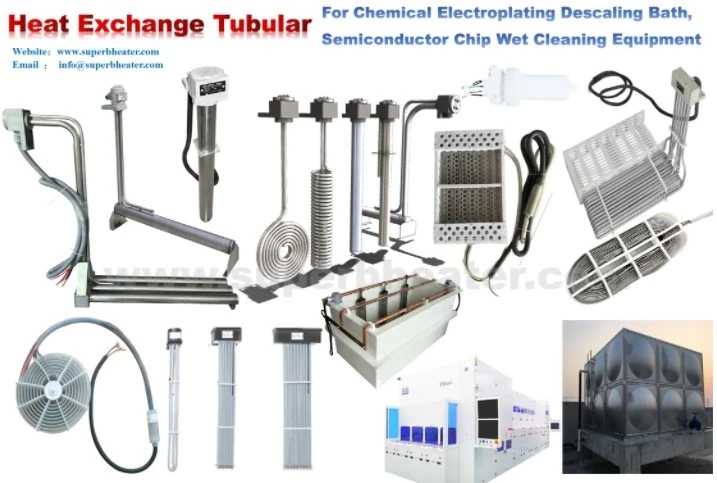
In mining sites, desert facilities, or other heavy industrial settings, fine abrasive dust and sand infiltrate every surface and crevice. These particulates do not merely cause soiling; they act as microscopic abrasives that grind away at components, reduce efficiency, and infiltrate electrical assemblies, leading to overheating or failure. Dust and sand can enter the smallest openings, wearing down surfaces and insulating electrical parts. How can a PTFE heating plate be fortified to keep abrasive grit out of its critical components and off its working surface?
The Dual Threat of Particulates
Abrasive dust presents two primary risks to PTFE heating plates. Surface abrasion is the first concern: the PTFE encapsulation, valued for its chemical inertness and non-stick properties, can gradually erode under constant exposure to blowing sand or gritty residues. Over time, this wear diminishes the coating's smoothness, allowing contaminants to adhere more readily and reducing heat transfer efficiency. In mineral processing plants or oil sands operations, silica-rich dust accelerates this process, potentially exposing underlying layers to corrosion.
The second threat is infiltration: particles penetrate unsealed gaps, vents, or connections, accumulating in electrical enclosures, around wiring, or on heat sinks. This buildup acts as an insulating layer, trapping heat and causing components to overheat. In dusty environments, particulates can also contaminate lubricants or create conductive paths in humid conditions, resulting in shorts, arcing, or mechanical failures in switches and relays. These issues lead to uneven heating, shortened service life, and unplanned downtime-problems magnified in remote desert or mining locations where repairs are logistically difficult.
Protective Design Strategies
To counter these threats, PTFE heating plates for arid environments incorporate ruggedized features focused on exclusion and durability. A fully sealed, gasketed enclosure with a high IP rating for dust (IP6X) is essential-this prevents solid particles from penetrating, even under blowing conditions. In dusty environments, simplicity enhances reliability: fewer moving parts and fewer openings reduce potential failure points. Designs avoid unnecessary crevices or protrusions, favoring smooth contours that naturally shed dust.
Cooling methods require careful selection. Standard heaters may use fans or finned heat sinks, but these can draw in dust like a vacuum, clogging fins and reducing airflow. In particulate-heavy areas, natural convection cooling or oversized, low-profile heat sinks are preferred-these rely on passive air movement without pulling in grit. Abrasion resistance is critical. A quality, thick PTFE encapsulation (typically 5–10 mm) withstands blowing sand far better than a thin painted or coated metal surface, maintaining integrity even under erosive winds.
Electrical connections demand special attention: sealed cable glands (IP68-rated) prevent dust entry at entry points, while internal potting of circuits adds an extra barrier against fine particles that might otherwise cause tracking or insulation breakdown.
Maintenance and Selection Recommendations
Selection begins with environmental assessment: specify models tested to standards such as IEC 60529 for dust ingress or ASTM D4169 for vibration and abrasion simulation. Choose plates with a durable PTFE coating rated for high abrasion resistance, and opt for designs without external fins or grilles in extremely dusty areas-these accumulate particles and complicate cleaning.
Maintenance is proactive in these settings. Schedule regular compressed air cleaning of external surfaces to remove accumulated dust without scratching the PTFE-use low-pressure nozzles and avoid abrasives. In mining or desert plants, perform inspections every 1–3 months, focusing on seals, connections, and enclosures for buildup. For rooftop or exposed installations, a simple canopy or shroud can deflect windblown sand, extending intervals between cleanings.
Conclusion
In particulate-heavy environments, the heater's enclosure and sealing are as important as its wattage. Selecting a purpose-built, dust-tight unit prevents premature failure and ensures consistent heat output. For fixed installations, providing a simple protective shroud can further extend service life. This approach transforms a vulnerable component into a reliable one, minimizing downtime in settings where every hour of operation is valuable.