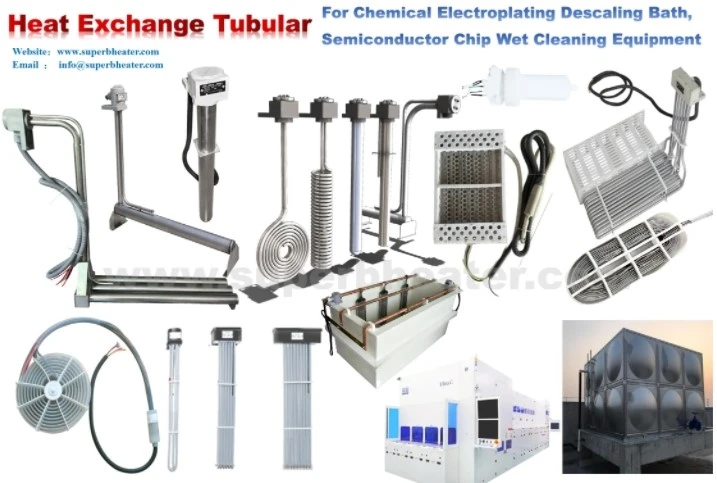
Early failure of heating plates is a common complaint in corrosive and high-solids processes. In many installations, a PTFE heating plate shows surface damage, deformation, or electrical failure far sooner than expected. Two operational issues are usually at the center of these problems: dry-firing caused by low liquid level, and sediment buildup that insulates the heating surface. Both conditions increase thermal stress and shorten service life, even when chemically resistant materials are used.
Why Dry-Firing Is So Damaging in Practice
Dry-firing occurs when a heating plate continues to operate without sufficient liquid contact. This situation often develops during tank draining, evaporation, or unexpected process interruptions. PTFE offers excellent chemical resistance, but it still relies on liquid contact to remove heat from the surface. Without that heat sink, surface temperature rises rapidly.
Excessive surface temperature accelerates aging of the PTFE layer and places extreme stress on the internal heating element. Over time, this may lead to loss of mechanical strength, warping, or insulation breakdown. In severe cases, internal elements fail suddenly, triggering electrical trips or permanent damage. Practically speaking, many "mysterious" heater failures are traced back to short periods of unnoticed dry operation.
How Sediment Buildup Creates Hidden Overheating
Sediment buildup causes a different but equally serious problem. In many chemical and wastewater processes, suspended solids, crystallized salts, or reaction byproducts gradually settle on heating surfaces. When deposits accumulate on a PTFE heating plate, they form an insulating layer that blocks heat transfer to the liquid.
As a result, the heating plate surface becomes much hotter than indicated by bulk liquid temperature. Control systems respond to tank temperature, not surface temperature, so overheating can persist without triggering alarms. According to experience, in liquids with suspended solids or scaling tendencies, localized overheating from sediment is one of the main contributors to premature heater failure.
Understanding the Combined Effect on Heater Lifespan
Dry-firing and sediment buildup often occur together. As liquid level drops, solids concentrate and settle more rapidly. This combination creates ideal conditions for surface insulation and runaway temperature increase. Even short exposure to these conditions can significantly reduce the remaining service life of a PTFE heating plate.
While PTFE resists chemical attack, it cannot compensate for poor heat dissipation. Preventing these operational scenarios is therefore just as important as selecting the right material.
Liquid Level Control and Dry-Fire Protection
Effective dry-fire protection starts with liquid level management. Installing level sensors or float switches that interlock with the heating circuit is one of the most reliable preventive measures. When liquid level drops below a defined minimum, power to the heating plate is automatically cut off.
For critical processes, redundant level sensors provide an additional safety margin. It is worth noting that manual procedures alone are often insufficient, especially in continuous or unattended operation. Automatic interlocks react faster and remove dependence on operator intervention.
Startup and shutdown sequences also deserve attention. Energizing the heating plate only after confirming adequate immersion and switching off power before draining helps eliminate many dry-fire incidents.
Choosing the Right Power Density to Avoid Local Boiling
Power density plays a key role in both dry-fire risk and sediment behavior. Excessive surface watt density increases the likelihood of local boiling, even when bulk liquid temperature remains below boiling point. Local boiling promotes evaporation at the heating surface and accelerates deposition of dissolved solids.
Lower, well-distributed power density allows smoother heat transfer and reduces surface temperature gradients. According to experience, conservative power design significantly reduces both dry-fire sensitivity and sediment adhesion. In systems with variable liquid composition or solids content, gentler heating almost always results in longer heater life.
Heater Positioning to Minimize Sediment Contact
Installation position strongly influences sediment accumulation. Placing a heating plate directly on the tank bottom exposes it to the highest concentration of settled solids. Over time, this area becomes thermally insulated and difficult to clean.
Mounting PTFE heating plates slightly above the tank bottom or along side walls helps reduce direct contact with heavy sediment. This positioning allows solids to settle away from the heating surface while maintaining effective heat transfer. Adequate spacing from walls and supports also promotes liquid circulation, further reducing buildup.
Inspection and Cleaning as Preventive Maintenance
Even with good design, periodic inspection remains important. Visual checks for unusual discoloration, deformation, or residue buildup help identify problems before failure occurs. Cleaning intervals should be based on actual process behavior rather than fixed schedules.
In practice, PTFE surfaces are easier to clean than metal heaters. Light rinsing or gentle wiping is often sufficient, avoiding aggressive mechanical methods that could damage the surface. Regular maintenance keeps heat transfer stable and prevents gradual performance decline.
Operational Discipline Makes the Difference
Many heater failures attributed to "harsh conditions" are actually caused by avoidable operational habits. Running heaters during low-level conditions, pushing power settings beyond design limits, or ignoring early signs of sediment buildup all accelerate damage.
Preventive operation focuses on stability rather than maximum output. Controlled heating, proper monitoring, and timely intervention protect both the heating plate and the overall process.
Conclusion: Prevention Outperforms Repair
Preventing dry-firing and sediment buildup is far more effective than repairing or replacing failed equipment. Proper liquid level protection, suitable power density, thoughtful installation, and routine inspection form the foundation of reliable PTFE heating plate operation.
In continuous production or applications involving high solids content, these measures become even more critical. Automated control systems and customized heating plate designs tailored to specific process conditions offer additional protection. When preventive operation and maintenance are prioritized, PTFE heating plates deliver long service life and stable performance in demanding corrosive environments.