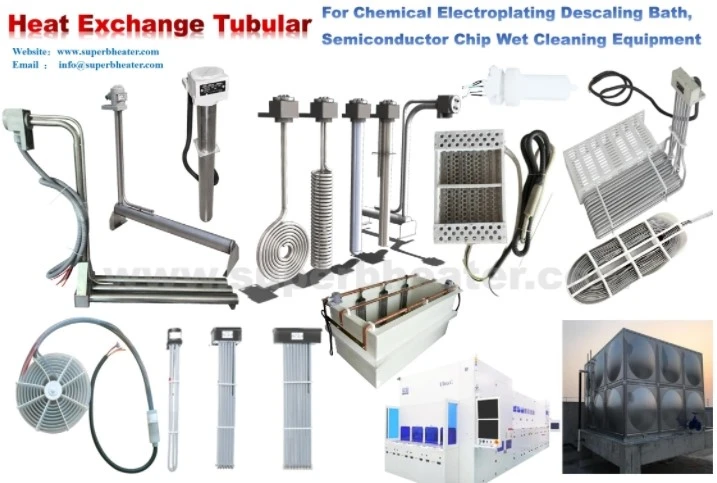
When installing and maintaining an explosion-protected heater in hazardous areas, the safety certification is only as good as the integrity of its installation and the adherence to strict maintenance protocols. Explosion-proof equipment, such as a PTFE heating plate, is designed to function within very specific conditions, and deviating from these guidelines can compromise the safety and effectiveness of the equipment. This article explores the best practices for installation and ongoing maintenance to ensure that the safety certification of a PTFE heating plate remains valid, guaranteeing protection in hazardous environments.
The Certified System: Installation Matters
A heater's certification doesn't apply to the heater itself alone. It encompasses the entire installation, including all associated components such as the heating element, cable glands, seals, and the conduit. The certification is only valid when these components are correctly installed as intended by the manufacturer. If any part of the system is installed incorrectly, or if unapproved modifications are made, the entire assembly may no longer meet the explosion protection requirements.
Key Installation Practices
One of the most critical elements in ensuring the safety of explosion-proof equipment is the use of the correct cable glands. The certification documents for a PTFE heating plate specify the type, size, and rating of cable glands to be used. These components must create a secure seal and prevent the ingress of flammable substances into the electrical components. Using the wrong type of cable gland, or a gland of the wrong size, compromises the integrity of the explosion-proof seal and can lead to catastrophic failures.
For explosion-proof equipment, the integrity of the flame-path is paramount. In Ex d (Explosion-Proof) equipment, bolts that secure the enclosure must be tightened to the specified torque values. Over-tightening or under-tightening bolts can distort the flame path, leading to a failure of the explosion-proof protection. Always follow the manufacturer's guidelines when tightening bolts, as these specifications are critical for maintaining the necessary clearance and flame-path integrity.
Grounding is an essential safety measure in preventing electrical hazards in explosive atmospheres. A PTFE heating plate, like all electrical equipment, must be properly grounded to ensure that any stray electrical current does not cause sparks or electrical arcing. It is crucial to follow the grounding requirements specified in the certification documents. Incorrect or inadequate grounding can result in equipment failure and potential ignition in a hazardous atmosphere.
The seals around electrical components are crucial for preventing the entry of hazardous gases or dust. In explosion-proof equipment, seals must be intact and rated for the specific environmental conditions. Regularly inspect seals to ensure they are not cracked or damaged. Using seals that do not meet the manufacturer's specifications will void the certification and reduce the safety of the installation.
Ongoing Maintenance Best Practices
Even after the installation is complete, maintaining the integrity of the explosion protection is an ongoing process. Routine maintenance is essential for ensuring that a PTFE heating plate continues to operate safely in hazardous environments.
Perform periodic visual inspections of the heater, the electrical components, and the entire installation. Look for signs of wear and tear, corrosion, or physical damage. Pay particular attention to cable glands, seals, and bolts, as these are the components most prone to degradation over time. Any damage to these components should be addressed immediately to prevent the risk of ignition.
Bolts securing explosion-proof enclosures, particularly in Ex d equipment, should be re-torqued periodically. Over time, vibration, thermal cycling, and other environmental factors can cause bolts to loosen, which may compromise the flame-path integrity. Follow the manufacturer's manual for the recommended torque values and schedule for re-tightening.
Modifications to the heater or any part of the installation system are strictly prohibited. Explosion-proof equipment is designed to operate as a complete system, and modifying or replacing any components can compromise the safety features. If repairs are necessary, always use original, certified parts and consult the manufacturer for guidance. Unauthorized modifications can result in a loss of certification and significantly increase the risk of equipment failure.
As part of an ongoing maintenance schedule, perform routine tests to check the functionality and safety of the equipment. Keep detailed records of all inspections, repairs, and modifications (if any) made to the equipment. This documentation should be maintained in accordance with the manufacturer's manual and any relevant safety regulations. Proper documentation ensures that the equipment remains compliant with safety standards and provides a clear audit trail in the event of a safety inspection or incident.
The Importance of Following the Manufacturer's Guidelines
The manufacturer's certification documents and user manual are the ultimate guide for the installation and maintenance of a PTFE heating plate. These documents provide the exact specifications that must be followed to ensure the heater remains explosion-proof and safe for use in hazardous areas. Any deviation from these guidelines can void the certification and lead to dangerous situations.
It is critical to emphasize that explosion-proof equipment is not "set and forget." The safety features designed to protect against ignition must be regularly checked and maintained. It is easy to overlook the importance of adhering to these standards, but doing so can significantly reduce the risk of catastrophic failure in hazardous areas.
Conclusion: A Culture of Safety
The long-term safety of hazardous area equipment depends on strict adherence to installation and maintenance protocols. PTFE heating plates and other explosion-protected equipment must be installed and maintained by trained personnel who understand the critical nature of compliance with safety standards. Establishing a routine inspection schedule, following the manufacturer's installation guidelines, and ensuring the integrity of every component are essential steps in preserving the certification and safety of the equipment. For facilities managing explosion-proof equipment, developing a strong safety culture centered around thorough documentation and regular maintenance checks is a cornerstone of responsible management.