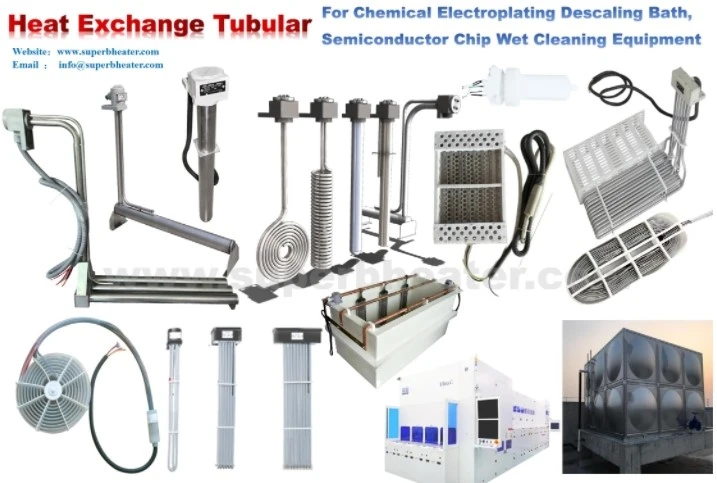
Modern bioprocessing continues to shift away from large, pre-heated hold tanks toward smaller, just-in-time preparation of buffers for chromatography steps or media for perfusion cultures. Large heated tanks consume significant energy, occupy valuable floor space, and introduce risks of microbial growth during prolonged hold times. What if precise volumes of buffer or media could be heated instantly as they flow to the point of use? What does a heating solution for such an in-line, closed system look like?
The Shift Toward Continuous and Just-in-Time Utilities
Continuous manufacturing and intensified processes demand responsive, compact utilities that align with real-time flow rates. Traditional jacketed vessels or large heated tanks require substantial hold volumes, leading to long residence times that can degrade sensitive components or foster contamination. In purification suites, where buffers must meet strict pH, conductivity, and temperature specifications at the column inlet, pre-heated bulk storage often results in temperature drift during transfer. Similarly, perfusion bioreactors benefit from fresh, temperature-controlled media delivered continuously without large intermediate vessels.
In-line heating addresses these limitations by providing thermal energy directly in the flow path. Compact modules with inert fluid-contact surfaces and external heating elements eliminate hold volumes, reduce energy waste, and enable rapid adjustments to changing process demands. This turns heating from a batch operation into a continuous, on-demand utility, much like an instant hot water heater for the process.
The In-Line Heater Concept
An effective in-line heater consists of a flow-through fluid path constructed from high-purity PTFE or PFA tubing or channels, surrounded by an external heating element-typically an etched foil or silicone rubber heater encapsulated for protection. Heat transfers through the thin polymer wall to the fluid, achieving rapid temperature rise with minimal lag. Unlike jacketed vessels, which rely on indirect transfer through thick stainless steel walls and circulating fluids, in-line designs offer direct, efficient heating with hold-up volumes often below 100 mL.
Key advantages include precise control over outlet temperature, even at varying flow rates. Digital controllers with feedback from integrated or downstream temperature sensors maintain stability within ±0.5°C. For purification applications, this ensures buffers enter chromatography columns at the exact required temperature, minimizing viscosity variations and improving binding kinetics. In perfusion systems, media arrives pre-warmed, reducing thermal shock to cells and supporting higher productivity.
Design and Selection Considerations
System design begins with thermal and hydraulic calculations. Required wattage depends on flow rate, inlet temperature, desired outlet temperature (ΔT), and fluid properties (specific heat capacity, density). For example, heating 10 L/min of water-based buffer from 4°C to 37°C requires approximately 23 kW, assuming no losses. Oversizing by 20–30% accounts for heat losses in tubing and fittings.
Wetted parts must use high-purity PTFE or PFA to ensure compatibility with buffers, cleaning agents, and sanitization protocols. Smooth, crevice-free flow paths minimize shear and fouling, while modular designs allow easy drainage and CIP integration. Temperature sensors should be placed close to the outlet for tight control, with cascade loops adjusting heater power based on real-time feedback.
Installation prioritizes accessibility for maintenance and validation. Units can mount directly on skids, creating self-contained modules that simplify facility plumbing. Electrical connections and controls integrate with the process automation system, often via fieldbus protocols for setpoint and monitoring.
Conclusion
In-line heating aligns with the industry trend toward flexible, efficient, and continuous biomanufacturing. It offers significant advantages in speed, control, and footprint over traditional methods. Implementing such systems requires careful thermal and hydraulic design, an area where collaboration between process engineers and component specialists is key. For purification suites and perfusion operations, compact PTFE-based flow heaters provide a clean, responsive solution that supports process intensification while maintaining product quality and regulatory compliance.