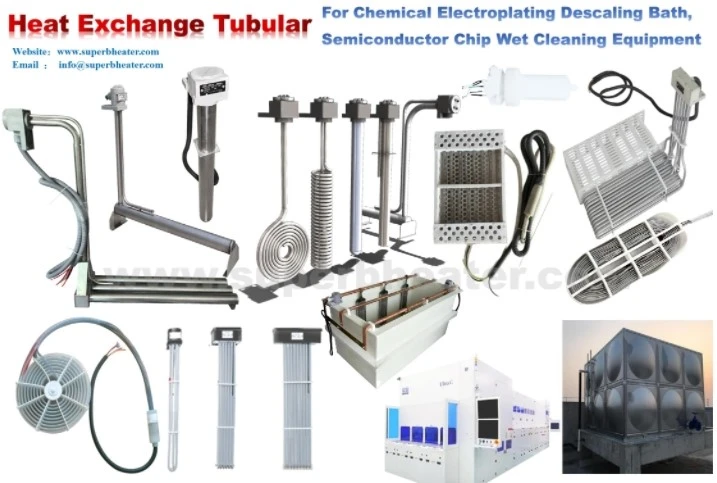
Replacing a worn-out heating unit solves many operational problems, but improper disposal can create a host of new ones. PTFE (polytetrafluoroethylene) heating plates, common in industrial settings, require careful handling due to their electrical components, potential chemical contamination, and polymer content. Improper disposal can lead to environmental hazards and non-compliance with local regulations. So, what steps should be taken to decommission and dispose of a PTFE heating plate in a safe and environmentally responsible manner?
Why Special Handling Is Needed
A PTFE heating plate is made up of multiple materials, including fluoropolymers, metals, and electrical components. The presence of these diverse materials creates several challenges during disposal:
Electrical Components: PTFE heating plates are often equipped with electrical elements, controllers, wiring, and potentially hazardous substances such as capacitors or batteries. These components need to be disposed of according to electronic waste (e-waste) regulations to prevent environmental contamination.
Chemical Contamination: Depending on the specific use case, PTFE heating plates may have been exposed to hazardous chemicals or process fluids. Residual chemicals left on the equipment can present environmental and health risks if not properly removed before disposal.
Fluoropolymer Content: Fluoropolymers, such as PTFE, are not biodegradable and may release toxic gases if improperly incinerated. Thus, specific disposal practices must be followed to prevent contamination or injury.
Given these factors, special care is required to ensure the safe decommissioning and disposal of PTFE heating plates at the end of their useful life.
Step-by-Step Decommissioning Guide
The process of decommissioning and disposing of a PTFE heating plate involves several important steps to ensure safety and compliance with environmental standards:
Permanent Power Disconnection
Before any physical handling can begin, the heater must be safely de-energized. Follow proper lock-out/tag-out (LOTO) procedures to prevent accidental activation. This includes disconnecting the power supply, cutting off power cables, and ensuring no residual current remains in the system.
Tip: Label all power-disconnected components clearly to prevent accidental reconnection while handling the equipment.
Decontamination
If the PTFE heating plate has been used with hazardous chemicals or process fluids, decontamination is a critical step. Residual chemicals or fluids can pose significant risks to human health and the environment. Depending on the nature of the substances involved, appropriate cleaning agents and procedures should be used to thoroughly remove any traces of chemical contamination.
Important: Always refer to the safety data sheets (SDS) for any chemicals involved to select the correct cleaning procedure. Use appropriate personal protective equipment (PPE), including gloves and goggles.
Identification
It is essential to classify the PTFE heating plate waste according to local regulations. Depending on the material composition, PTFE heating plates may fall under specific waste categories, including Waste Electrical and Electronic Equipment (WEEE) or hazardous waste, due to their fluoropolymer content or electrical components.
Tip: Consult local waste management authorities for guidelines on classifying PTFE heating plates and any regional requirements for handling electrical or chemical waste.
Disposal Options
Once the unit is properly decommissioned and decontaminated, several disposal options should be considered to ensure safe, environmentally responsible disposal:
Recycling
Many components of the PTFE heating plate, such as metals (aluminum, copper, and steel), can be recycled at specialized facilities. Recycling helps recover valuable materials and minimizes the environmental impact.
Tip: Work with local certified recycling facilities that handle industrial e-waste and fluoropolymer materials. Some facilities are equipped to handle mixed materials like the ones found in PTFE heating plates.
Certified E-Waste Handlers
Given the electrical components, PTFE heating plates are often classified as e-waste. Certified e-waste handlers specialize in safely managing and disposing of electronic waste. These handlers can ensure compliance with national and international regulations regarding the disposal of electrical components, as well as recycling valuable metals and materials.
Manufacturer Take-Back Programs
Many forward-thinking manufacturers offer take-back programs to manage end-of-life equipment. These programs are designed to ensure that old equipment is returned, decommissioned, and recycled properly.
Tip: Contact the manufacturer to check whether such a program exists. Returning the unit to the manufacturer may be the easiest and most reliable disposal route, especially for those with specialized recycling facilities.
Common Disposal Pitfalls to Avoid
When decommissioning a PTFE heating plate, it's essential to avoid certain hazardous and non-compliant disposal practices:
Throwing in General Trash
Simply discarding the heater in general waste can result in environmental pollution and is often against the law due to the presence of hazardous materials like electrical components and fluoropolymers.
Open Burning
Attempting to burn the unit, even if it is considered "non-hazardous," can release toxic fumes, including hydrogen fluoride, which is harmful to both health and the environment.
Uncontrolled Dismantling
Improperly disassembling the heating plate without proper knowledge can cause exposure to hazardous chemicals, damage to recyclable components, or the release of dangerous substances.
Conclusion: Responsible End-of-Life Management
The decommissioning and disposal of PTFE heating plates require careful handling due to their composition and potential chemical contamination. Following a structured process for safe disposal not only ensures compliance with regulations but also contributes to environmental stewardship.
By using certified waste handlers, participating in manufacturer take-back programs, and utilizing proper recycling channels, plant managers can ensure that PTFE heating plates are disposed of in an environmentally sound and legally compliant manner. This proactive approach also mitigates the risk of environmental fines and liabilities, reinforcing corporate responsibility.
As manufacturers increasingly design products with end-of-life recyclability in mind, it is worth considering these aspects during the purchasing phase to further enhance sustainability efforts.