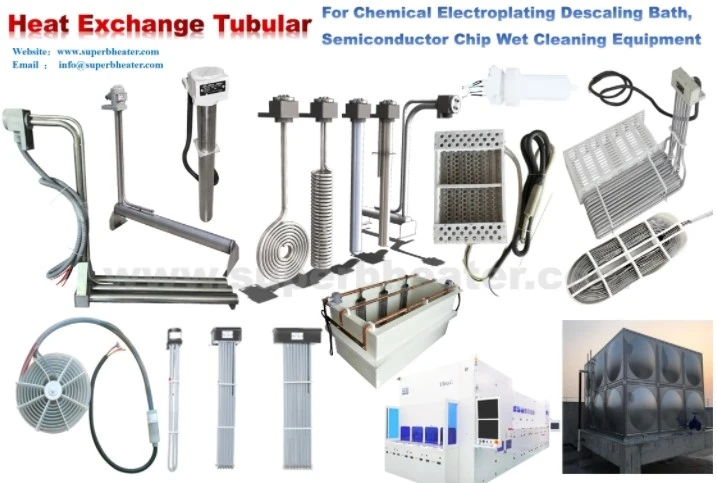
In many industrial facilities, steam coils and jackets have long been the go-to solution for heating tanks and vessels. However, these traditional systems often suffer from significant inefficiencies, particularly when it comes to heat generation, distribution, and maintenance. Steam traps leak, pipes lose heat, and the overall system suffers from thermal losses that could be avoided with a more direct approach. For heating a specific tank or vessel, could switching to dedicated electric heating, especially in corrosive applications, offer faster payback through energy savings than many realize?
The Energy Loss in Steam Heating Systems
In a typical steam heating setup, energy losses begin right at the steam generation stage. The central steam boiler itself consumes a significant amount of energy, and even more is lost during the steam's journey through pipes and condensate return systems. As the steam travels through long pipes, a substantial amount of thermal energy is lost to the surroundings, further reducing efficiency. Additionally, steam traps designed to regulate the flow and remove condensate often leak, resulting in even more wasted energy.
Once steam reaches the tank or vessel, it typically heats the system through steam jackets or coils. While this approach can be effective, it is not without its drawbacks. The need for continuous steam flow means there is a constant demand on the boiler, and if there are inefficiencies in the system, they can multiply, leading to wasted energy and higher operating costs.
The Efficiency of Electric PTFE Heaters
In contrast to the inefficiencies associated with steam heating, electric heating systems-especially those utilizing PTFE (polytetrafluoroethylene) heating panels-offer near-perfect efficiency. In electric resistance heating, nearly 100% of the electrical energy is converted directly into heat at the point of use. Since there are no distribution losses and little to no heat loss when the tank is properly insulated, electric heaters can offer more consistent and controllable temperatures, reducing overall energy consumption.
Electric heating also eliminates many of the issues inherent in steam-based systems. For instance, there are no boilers, no steam traps, and no condensate to worry about, which simplifies maintenance and reduces the potential for failure points in the system.
Corrosion Resistance and Durability
One of the critical advantages of using electric PTFE heating panels in corrosive environments is their inherent durability. Steam heating systems, even when constructed from exotic metals, still face the challenges of corrosion, particularly when exposed to aggressive chemicals or high temperatures. These materials can degrade over time, causing the system to fail and necessitating costly repairs or replacements.
Electric PTFE heaters, on the other hand, are highly resistant to corrosion. The PTFE surface acts as an inert barrier, preventing any chemical attack on the heating elements and extending the life of the equipment. This superior longevity reduces the frequency and cost of maintenance, transforming what would be a recurring maintenance expense into a long-term cost-saving solution.
Evaluating the Economic Benefits
When comparing steam and electric heating systems, the economic benefits become clear. First, it's essential to calculate the cost of steam per unit of energy and account for the losses that occur in the distribution network. These losses are often more significant than realized, especially in older or poorly maintained systems. By contrast, the cost of electricity is more straightforward to measure, and modern electric heating systems can be efficiently controlled, ensuring that energy is used only when needed.
The upfront cost of switching to an electric PTFE heating system may be higher, especially when considering the corrosion-resistant materials required, but the long-term savings often make this investment worthwhile. For instance, the elimination of steam trap leaks can save thousands of dollars annually, and the ability to switch the electric heater on and off as needed-without needing to maintain a constantly running boiler-adds another layer of savings.
The Simple Payback Period
The best way to evaluate the potential benefits of switching from steam to electric heating is to calculate the simple payback period. This involves analyzing the current steam usage, factoring in energy losses, and comparing it to the cost of electricity to heat the same tank. With PTFE electric heaters, the energy efficiency, durability, and low-maintenance nature of the system can result in a much faster return on investment than many companies expect.
For facilities with batch processes or specific tank heating needs, the ability to turn electric heating on and off instantly provides an additional level of control and energy efficiency, with no boiler standby losses or downtime.
Conclusion: Switching to Electric Heating for Corrosive Applications
For many applications that involve batch processing or dedicated tank heating, switching from a traditional steam coil system to a modern electric heating solution can yield significant energy savings. When corrosion resistance is also a concern, PTFE electric heaters combine high efficiency with exceptional durability, making them an ideal choice for industries dealing with harsh chemicals or corrosive environments.
A site-specific energy audit is a great starting point to quantify potential savings and identify the tanks that would benefit most from this transition. With careful consideration and an investment in electric heating technology, companies can realize faster payback, reduced maintenance costs, and more efficient energy use across their operations.
窗体顶端