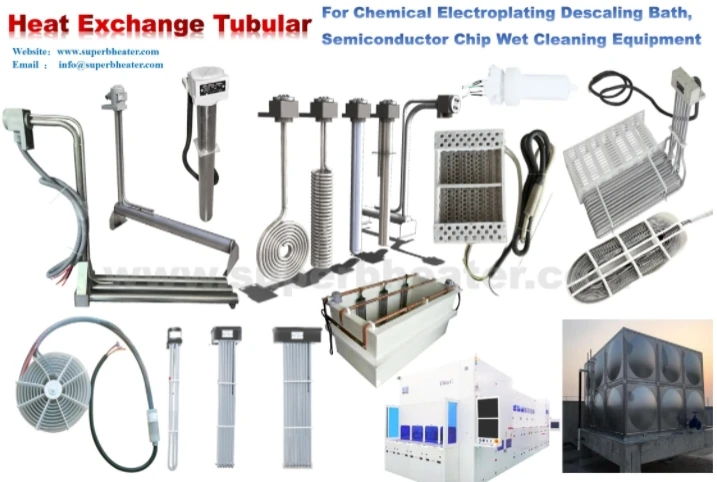
In many facilities, PTFE heating plates are selected for their chemical resistance and thermal stability, yet premature failures still occur. Investigations sometimes reveal no installation errors, no operational misuse, and no obvious electrical faults. Power supply is stable, loading is within specification, and procedural compliance appears adequate. The only consistent variable is the operating environment itself. In such cases, environmental factors are often silently attacking the equipment.
For process engineers, understanding how chemical exposure, temperature extremes, humidity effects, and airborne contaminants interact with PTFE heating plates is essential for predicting service life and preventing repeated replacement cycles.
Chemical Exposure Beyond Direct Immersion
PTFE is widely recognized for its chemical resistance, but this resistance has practical limits, particularly under elevated temperatures. Direct liquid contact with aggressive acids, alkalis, or solvents can slowly degrade the polymer surface if concentration and temperature exceed recommended thresholds. Even when the plate is not designed for immersion, splashes and spills can accumulate along edges and seams, creating localized chemical exposure zones.
Airborne chemical fumes often present a more subtle risk. In practice, a common cause of premature failure is exposure to acid vapors from adjacent processes. These fumes may condense on cooler surfaces, including heating plates during shutdown periods. When the plate is reheated, the concentrated residue accelerates surface attack and can compromise protective layers. Repeated cycles of condensation and heating amplify the damage.
At higher operating temperatures, the chemical resistance envelope narrows. Reactions that are negligible at ambient temperature can become significant at elevated surface temperatures. Therefore, chemical compatibility should be evaluated not only for bulk process fluids but also for vapors, aerosols, and cleaning agents present in the surrounding area.
Temperature Extremes and Thermal Stress
Although PTFE offers strong thermal stability, operating continuously near its maximum temperature rating accelerates molecular degradation. Elevated temperatures increase creep, reduce mechanical strength, and can cause gradual embrittlement over time. Even when absolute limits are not exceeded, sustained operation at high surface temperature shortens expected lifespan.
Thermal cycling introduces an additional layer of stress. Repeated heating and cooling cause expansion and contraction of both the PTFE layer and the underlying structural components. Differences in thermal expansion coefficients generate internal mechanical stress. Over time, this thermal stress can lead to cracking, delamination, or distortion.
Rapid environmental temperature changes compound the issue. Facilities located in regions with large ambient swings, such as those experienced in parts of United States, may see equipment exposed to cold air during shutdowns and rapid reheating during startup. These transitions accelerate material fatigue.
Monitoring not only process temperature but also ambient temperature trends can reveal correlations between extreme conditions and failure timing. In practice, failures often cluster after seasonal shifts or after extended shutdown periods followed by rapid restart.
Humidity Effects and Moisture Interaction
Humidity is frequently underestimated as a contributor to equipment degradation. High moisture levels can combine with airborne chemicals to form corrosive condensates on plate surfaces and electrical terminals. Even if PTFE itself remains chemically stable, associated components such as seals, wiring connections, and mounting hardware may suffer.
In environments with persistent high relative humidity, moisture ingress into electrical enclosures can reduce insulation resistance and increase the risk of electrical faults. When combined with elevated temperatures, moisture accelerates aging of insulation materials and can promote microcracking.
Humidity effects become particularly problematic in facilities with frequent washdowns or steam cleaning operations. Condensed water on hot surfaces can create localized thermal gradients, contributing to mechanical stress while simultaneously introducing chemical residues.
A structured approach to monitoring humidity and dew point in the vicinity of heating plates often provides insight into recurring electrical or surface-related failures.
Airborne Contaminants and Particulate Abrasion
Airborne contaminants such as dust, metal fines, or process particulates can physically abrade the PTFE surface over time. While PTFE has a low friction coefficient, it is relatively soft compared to many industrial particles. Continuous exposure to abrasive dust streams or high-velocity airflow containing particulates gradually erodes the surface.
Accumulated dust layers also act as thermal insulation. This unintended insulating effect raises localized surface temperatures, increasing thermal stress and accelerating degradation. In extreme cases, hotspots form beneath contaminant layers, leading to uneven heating and structural damage.
Contamination may also interfere with heat transfer performance. Deposits alter surface emissivity and can trap chemicals, creating microenvironments that intensify chemical exposure.
In practice, facilities that operate grinding, cutting, or powder-handling processes near heating equipment frequently observe elevated failure rates unless protective barriers are installed.
Monitoring and Correlating Environmental Patterns
Identifying the impact of environmental factors requires systematic observation. Failure logs should be correlated with environmental data such as ambient temperature, humidity levels, chemical release events, and maintenance activities in adjacent areas.
A pattern-based approach often reveals trends. For example, premature failures may coincide with increased acid production in a neighboring line, or with seasonal humidity peaks. Simple environmental logging devices can provide valuable baseline data.
Protective measures may include installing shields or enclosures to reduce chemical exposure, improving ventilation to disperse fumes, implementing dust control systems, and ensuring adequate thermal margins in high-temperature environments. Material upgrades or alternative configurations may also be justified if environmental severity exceeds initial design assumptions.
Reinforcing the Importance of Environmental Awareness
PTFE heating plates are typically engineered with robust material properties, yet their lifespan is strongly influenced by surrounding conditions. Chemical exposure, thermal stress, humidity effects, and airborne contaminants interact in complex ways that may not be immediately visible during routine inspections.
Understanding the true operating environment is therefore essential for realistic life expectancy predictions. For processes with variable or aggressive conditions, continuous environmental monitoring provides valuable insight and supports data-driven maintenance strategies. By integrating environmental assessment into equipment evaluation, process engineers can significantly improve reliability and reduce unexpected failures.