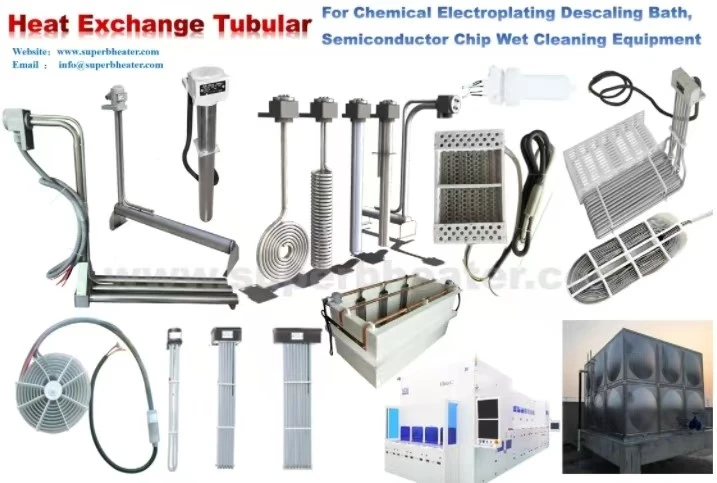
Electroplating shops and chemical laboratories often watch standard electric heating plates fail after only weeks or months of service. Metal surfaces pit, scale builds up rapidly, and heating elements short-circuit when immersed in strong acids, concentrated alkalis, or aggressive organic solvents. Bath temperatures become unstable, product quality suffers, and replacement costs accumulate. These failures occur because conventional plates rely on metal sheaths or thin protective coatings that aggressive chemicals quickly degrade once heat accelerates the reaction. PTFE-coated electric heating plates avoid this cycle by applying a continuous fluoropolymer layer that acts as a protective chemical barrier, isolating the resistive element from direct contact with corrosive media and extending service life significantly.
PTFE, or polytetrafluoroethylene, protects through its unique molecular architecture. Carbon atoms form a strong backbone completely surrounded by a dense helical sheath of fluorine atoms. The carbon-fluorine bond is one of the strongest in organic chemistry, creating a non-polar surface that repels nearly every known chemical attacker. Acids cannot donate protons to break bonds, alkalis cannot abstract atoms, and solvents cannot swell or dissolve the polymer. Diffusion rates remain extremely low even at continuous operating temperatures up to 260 °C, so corrosive ions and molecules stay confined to the outer surface without reaching the internal heating element. The material also exhibits zero porosity under normal operating pressures and maintains an exceptionally low surface energy. Precipitates, scale, and biofilms rarely adhere, eliminating localized concentration cells that accelerate pitting or under-deposit corrosion on metal plates. This inert barrier preserves uniform heat distribution and prevents efficiency loss over thousands of operating hours, delivering long-term durability where unprotected metal degrades progressively.
The same protective mechanism explains why PTFE-coated plates outperform electric floor heating systems and wall-mounted heating solutions in corrosive environments. Electric floor heating systems circulate low-temperature water or glycol through embedded tubing in floors or panels. These designs prioritize gentle radiant output at modest velocities and temperatures where corrosion seldom appears, yet the materials lack the full chemical inertness needed for direct immersion in aggressive baths. Any crossover or leak would contaminate the heating loop without providing meaningful isolation, and the systems operate far below the temperatures or harsh conditions typical of chemical tanks. Wall-mounted heating solutions, such as radiators or compact boilers, manage clean air or water circuits optimized for space heating or domestic hot water. Their copper or stainless components perform reliably in neutral fluids but would dissolve or embrittle rapidly if exposed to the acids or solvents common in laboratory or production environments. PTFE-coated heating plates combine direct electric heating efficiency with complete chemical isolation, providing durability and reliability that floor systems and wall-mounted solutions cannot match when aggressive media are present.
Insights from industrial experience show that the coating's effectiveness depends on proper specification and application. Plate thickness, element spacing, and coating uniformity must match the specific bath chemistry, including concentration ranges, temperature targets, trace impurities, and agitation levels. Rigid immersion plates suit vertical tank mounting, while flexible designs conform better to curved surfaces or allow easy removal for cleaning. Watt density should remain moderate-typically 1 to 5 W/cm²-to prevent localized overheating that could stress the polymer while still achieving acceptable heat-up times. Integrated sensors placed at multiple points support closed-loop control that maintains bath uniformity within ±1 °C and prevents over-temperature conditions that shorten coating life.
Practical advice focuses on verification and installation. Calculate required power from tank volume, heat losses through vessel walls, and desired temperature rise rather than generic catalog ratings. Confirm chemical compatibility with actual process samples rather than relying solely on generic charts, because even minor additives or impurities can affect long-term performance. Allow for thermal expansion during mounting to avoid stress cracks, and include cold zones above the liquid level to guard against dry firing. Routine infrared surface scans detect early hot spots or thinning before efficiency declines, while periodic visual inspections for discoloration or blistering keep heat transfer optimal.
Common pitfalls reduce the coating's protective benefits. Selecting plates based only on initial cost without detailed compatibility data often leads to swelling or delamination within months. Oversizing watt density to shorten heat-up times creates localized overheating that degrades the PTFE layer and reduces element life. Neglecting proper sensor placement causes controllers to monitor only one area while other sections run hotter or cooler, producing uneven heating and accelerated wear. Improper mounting that ignores thermal expansion or leaves portions of the plate exposed causes stress cracks and electrical faults. Copying specifications from metal plates without adjusting for PTFE's lower thermal conductivity frequently results in undersized designs and unexpected performance gaps.
In summary, a PTFE coating protects electric heating plates from chemical damage by forming a molecular-level barrier that blocks penetration, prevents surface reactions, and maintains clean, uniform heat transfer over extended periods. This performance surpasses electric floor heating systems and wall-mounted heating solutions in aggressive environments. For electroplating lines, chemical etching processes, pharmaceutical reactors, or semiconductor wet stations, careful selection based on actual fluid properties, proper sizing, and correct installation ensures long service intervals with minimal maintenance and consistent reliability.