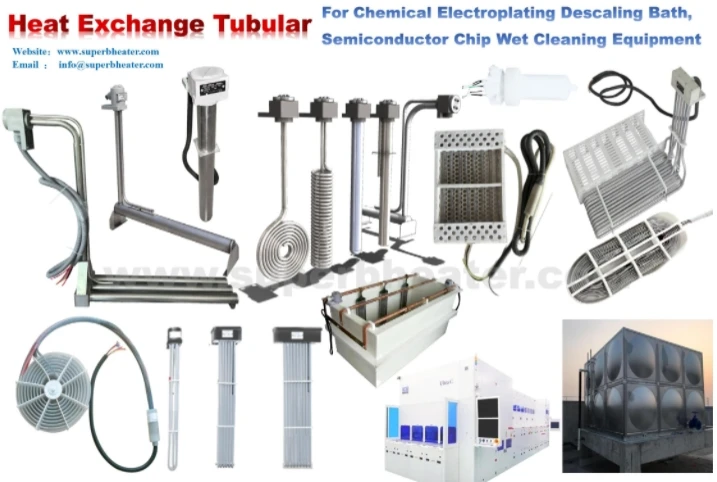
Specialized vacuum applications such as vacuum distillation systems, freeze dryers, and vacuum deposition chambers often require heat exchange directly within the low-pressure environment. PTFE heat exchangers are attractive in these settings due to their exceptional chemical resistance, but operating in vacuum introduces unique challenges that are not present under atmospheric conditions. Engineers must understand the material behavior and design adaptations required to ensure reliable performance.
Outgassing Considerations
PTFE, like all polymers, contains microscopic voids and absorbed gases that can be released under vacuum conditions. This outgassing can introduce contamination into sensitive processes, such as thin-film deposition or high-purity distillation, where even trace amounts of vapor compromise product quality. The outgassing rate depends on the PTFE formulation and prior treatment. Vacuum-baked grades, preconditioned at elevated temperature under vacuum, release trapped gases before installation, reducing contamination by orders of magnitude. In practice, a standard PTFE exchanger used directly in vacuum may cause measurable pressure fluctuations, whereas a vacuum-baked unit maintains stable process conditions.
Mechanical Stability and Structural Integrity
Operating in a vacuum environment imposes additional mechanical stresses. The absence of external pressure can reduce the material's resistance to collapse, particularly in thin-walled tubing. Voids within the PTFE can expand under low-pressure conditions, creating internal stress and potentially causing deformation or micro-cracking. Tube sheets and supports must be designed to withstand full vacuum on one side without collapse or bending. Reinforced designs, such as incorporating metal backing or thicker walls, are often necessary to maintain mechanical integrity. Proper consideration of collapse pressure ensures long-term stability under cyclic vacuum conditions.
Heat Transfer in Vacuum
Heat transfer in a vacuum differs significantly from atmospheric operation. With no convective cooling available on the exchanger's external surfaces, radiation and conduction become the primary heat transfer mechanisms. This limitation affects both heating and cooling applications. Surface emissivity, thermal contact with mounts, and the thermal conductivity of supporting structures must be factored into design. PTFE's relatively low thermal conductivity may require adjustments such as increased surface area, incorporation of metallic inserts, or optimized placement within the vacuum chamber to achieve the desired thermal performance.
Sealing Challenges
Vacuum compatibility also depends on maintaining leak-tight seals. Standard flange gaskets may not provide sufficient vacuum-tightness, particularly at low pressures approaching high or ultra-high vacuum ranges. Special gasket compounds, such as metal-reinforced PTFE or elastomeric materials rated for vacuum, are necessary. Helium leak testing is commonly employed to verify sealing performance and ensure that outgassing or micro-leaks will not compromise the vacuum environment. Proper flange design and bolt torque sequencing are critical to prevent deformation that could create leaks under vacuum.
Specifying Vacuum-Rated PTFE Heat Exchangers
Successful application of PTFE exchangers in vacuum requires careful specification. Key considerations include vacuum-baked materials to minimize outgassing, verification of collapse pressure ratings for all tubing and support structures, and appropriate sealing systems for vacuum-tight operation. Helium leak testing is a recommended practice for critical applications to confirm integrity before commissioning. In some cases, reinforcement of tube bundles or the use of conductive PTFE grades can improve structural and thermal performance. Collaboration with manufacturers experienced in vacuum system design ensures that the selected unit meets both mechanical and thermal requirements.
Conclusion
PTFE heat exchangers can operate reliably in vacuum chambers and low-pressure environments when designed with the unique constraints of vacuum in mind. Standard atmospheric units are generally unsuitable due to outgassing, reduced mechanical support, and altered heat transfer characteristics. Successful implementation requires vacuum-baked materials, appropriate tube reinforcement, optimized heat transfer design, and verified sealing systems. Engaging with manufacturers experienced in vacuum applications ensures that PTFE heat exchangers meet performance and reliability expectations, supporting critical low-pressure processes safely and effectively.